10 Life Skills Children Need to Learn for a Brighter Future
Every child deserves to feel prepared for the world around them. For children, especially those with autism, ADHD, anxiety, or other developmental needs, everyday situations can sometimes feel unpredictable or overwhelming. Our life skills video lessons take those moments—getting ready in the morning, asking for help, staying safe—and turn them into structured, reassuring narratives. By watching and revisiting these videos, children learn not just what to do, but why it matters, helping them grow more independent, resilient, and prepared.
At Huckleberry Bridge Learning, our mission is to help children feel ready for the situations they encounter every day. Through our life skills video lessons, we teach practical, real-world skills in a way that is clear, reassuring, and relatable—giving children the preparation they need to understand what to expect and how to respond. This approach helps them build the understanding, independence, and self-assurance they need to thrive.
Here are 10 life skills kids can develop through our life skills videos—and how each one can be practiced and strengthened over time.
1. Getting Ready Independently
From brushing teeth to packing a backpack, daily routines can be challenging when there are many steps to remember. Our life skills videos break these routines into small, manageable actions, showing children exactly what to expect and in what order. Over time, this predictability fosters independence and pride.
Why it matters: Independence in self-care is a cornerstone for future life skills development, building a child’s confidence and reducing stress for the whole family.
How it’s taught: Visual sequences, clear language, and modeled routines help children move from needing frequent reminders to initiating tasks themselves.
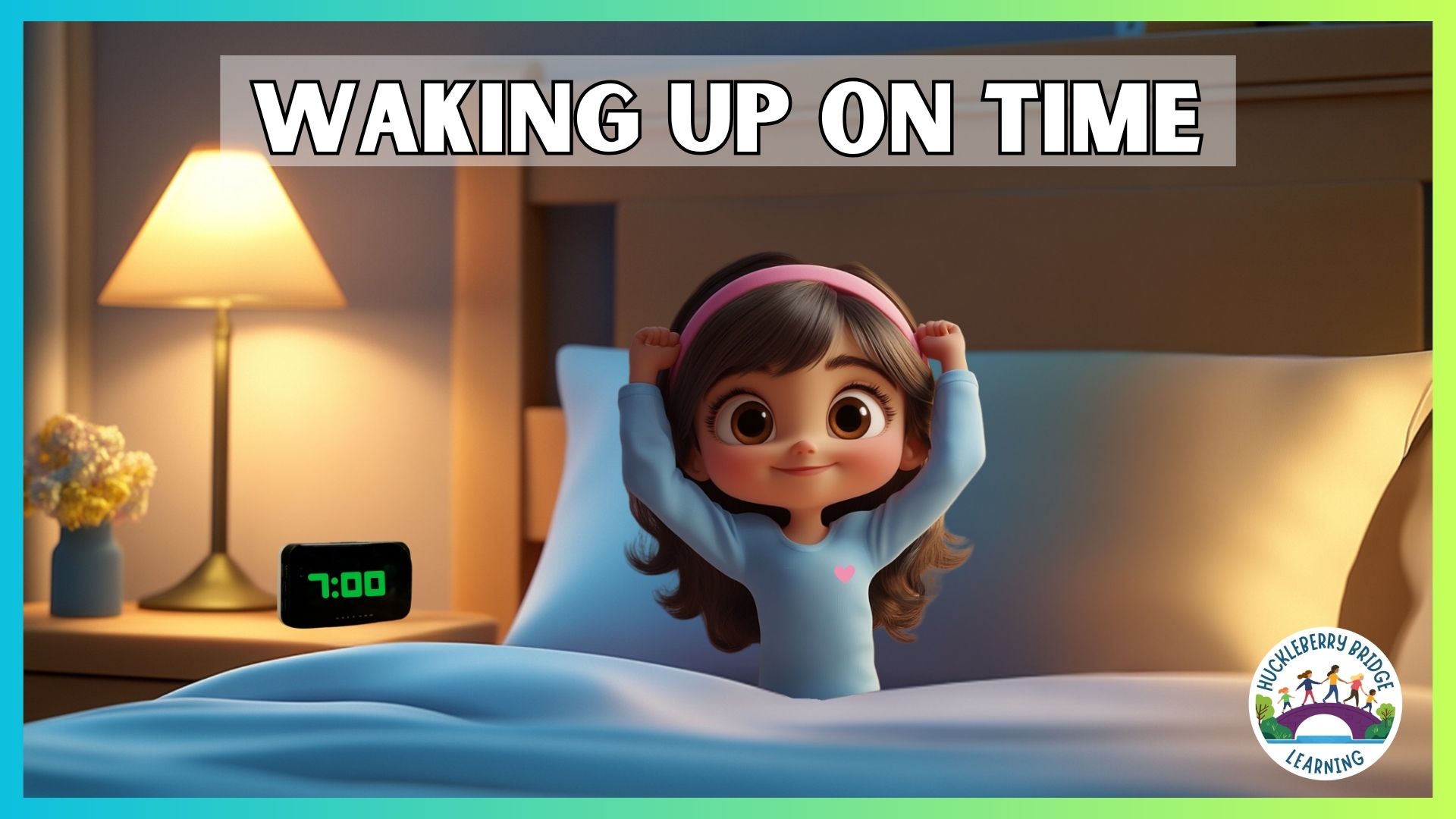
Related Videos in Our Library: Waking Up On Time or Daily Personal Hygiene
2. Recognizing and Naming Emotions
Identifying emotions is the first step in managing them. Our life skills videos help children connect physical sensations and facial expressions with emotion words, like “angry,” “calm,” or “sad.”
Why it matters: Emotional vocabulary gives children the tools to communicate how they feel, leading to better relationships and fewer behavioral outbursts.
How it’s taught: Our videos pair relatable situations with visuals of expressions and simple language, helping children match feelings to words.
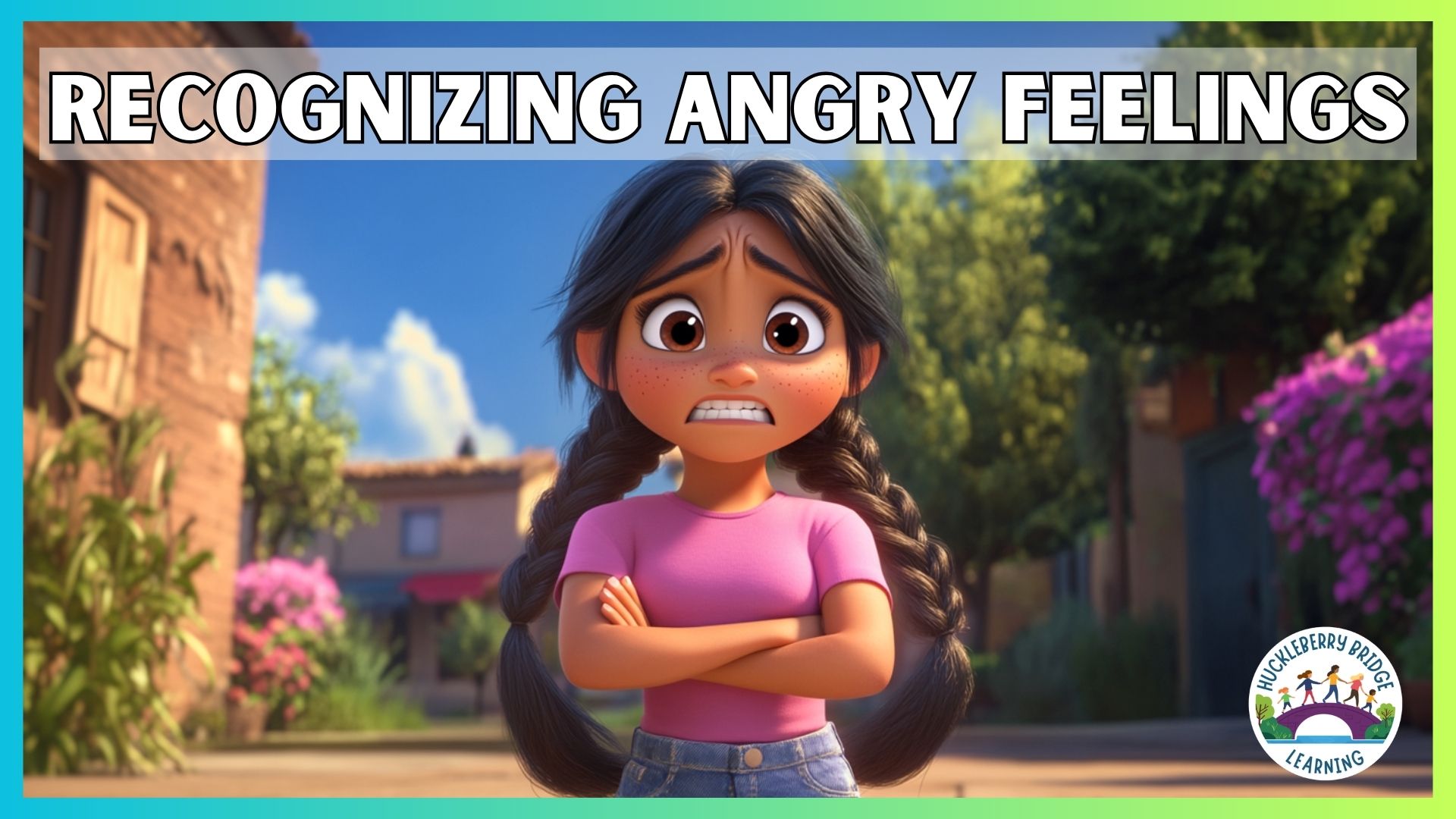
Related Videos in Our Library: Recognizing Angry Feelings, Recognizing Calm Feelings, Recognizing Sad Feelings
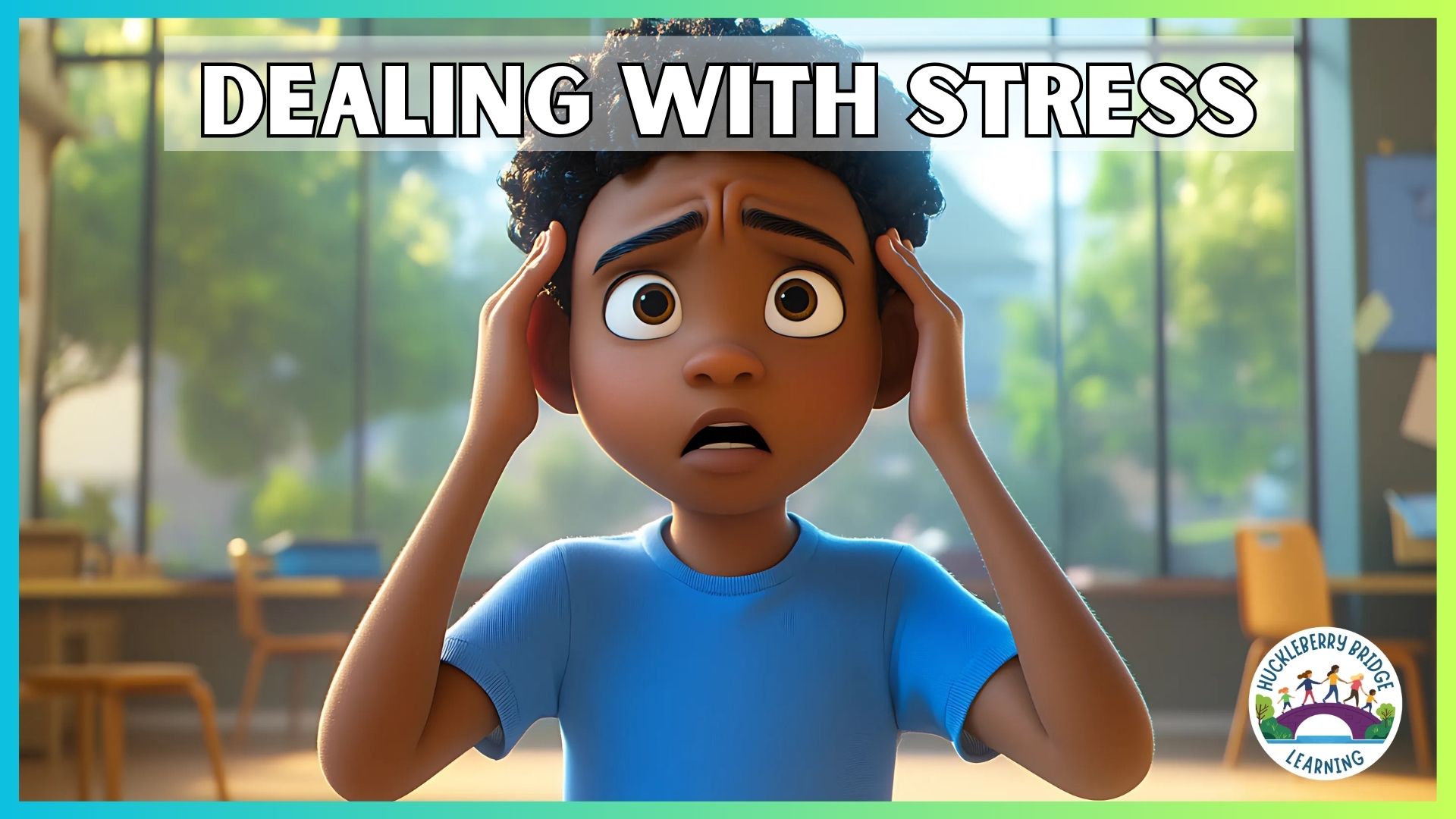
3. Coping with Stress or Anxiety
Big feelings can feel overwhelming, especially when children don’t yet have strategies for calming down. Our life skills videos model what to do when anxiety, frustration, or fear shows up—deep breathing, asking for help, or taking a quiet break.
Why it matters: Coping skills are essential for emotional regulation and can prevent small worries from escalating into meltdowns.
How it’s taught: Repeated exposure to calming strategies in video lessons helps children remember and use them in real situations.
Related Videos in Our Library: Dealing with Stress or Falling Asleep
4. Navigating Public Places
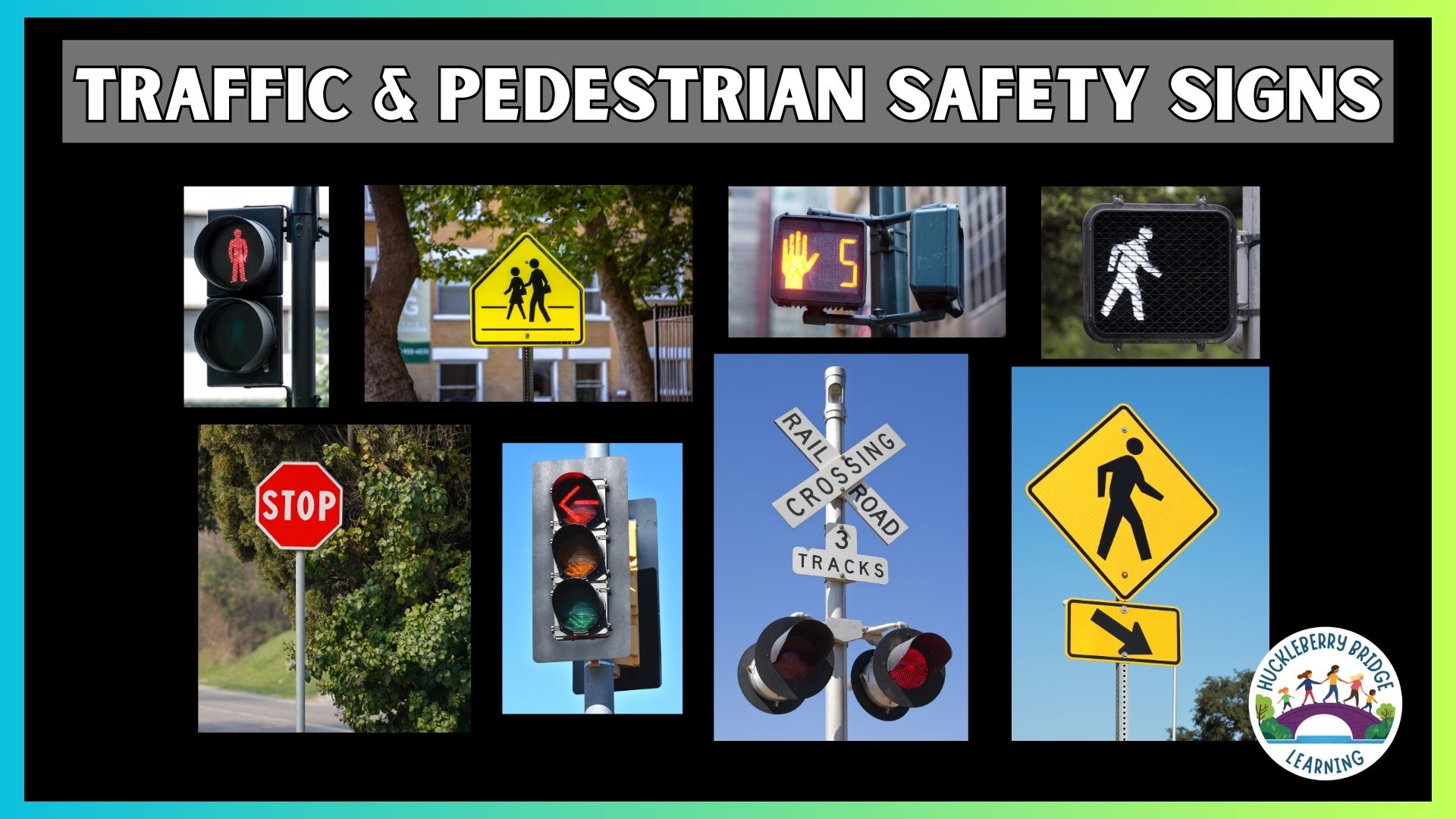
Public environments—stores, libraries, parking lots—come with unspoken rules that aren’t always obvious to children. Our life skills videos explain these expectations clearly: how to walk safely, follow signs, and behave appropriately in shared spaces.
Why it matters: Understanding public rules keeps children safe and helps them participate more fully in community life. The National Safety Council offers additional resources for safety awareness in public places.
How it’s taught: Our videos use real-world visuals and step-by-step guidance to prepare children before they go.
Related Videos in Our Library: Traffic & Pedestrian Signs or Using Technology Responsibly
5. Starting and Maintaining Conversations
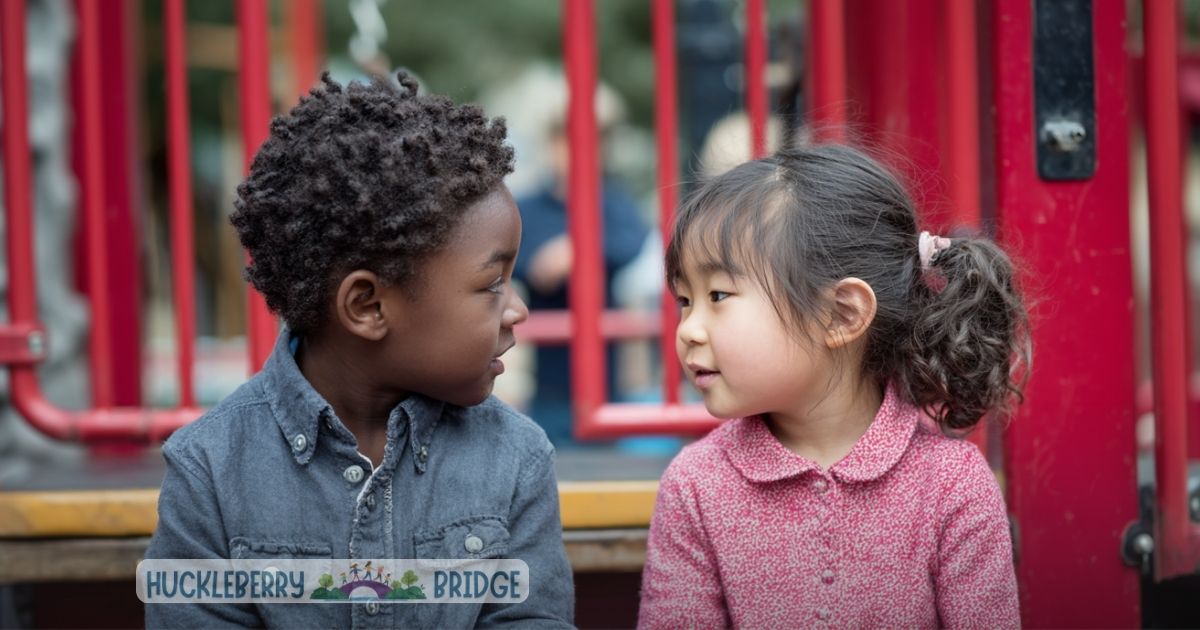
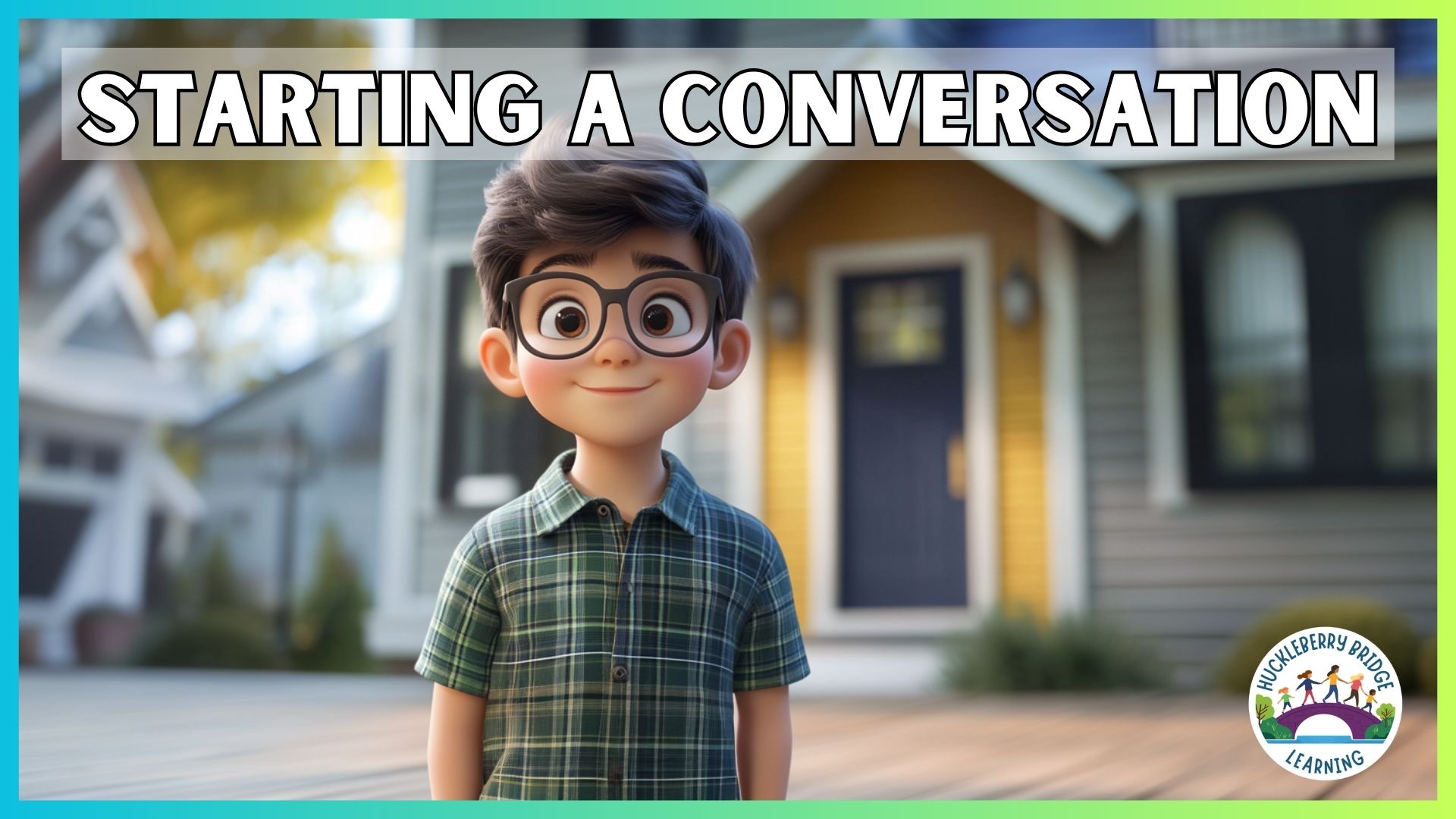
For many children, knowing how to start, join, or end a conversation can feel like solving a puzzle without instructions. Our life skills videos model greetings, conversation starters, active listening, and turn-taking.
Why it matters: Strong communication skills help children build friendships, work well in groups, and advocate for themselves.
How it’s taught: Our videos show real examples of conversations in different settings, making abstract skills concrete.
Related Videos in Our Library: Starting a Conversation, Keeping a Conversation Going, Ending a Conversation
6. Being Kind and Considerate
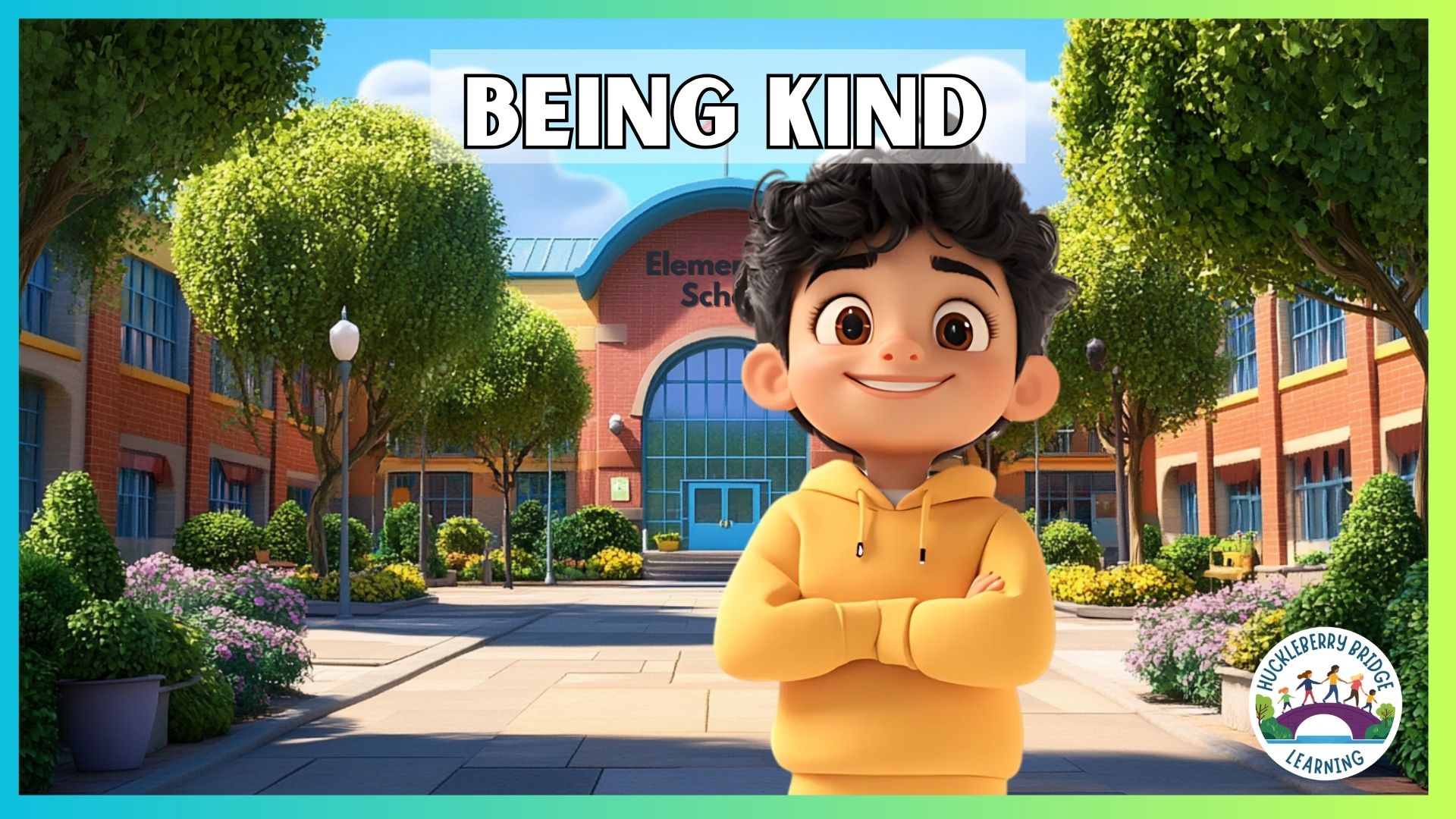
Kindness isn’t just about manners—it’s about empathy and respect. Life skills videos make these abstract values tangible, showing what kindness looks and sounds like in daily life.
Why it matters: Being considerate builds trust and connection, which are key for positive relationships.
How it’s taught: Our videos focus on specific actions—sharing, thanking, listening—and why they make others feel valued.
Related Videos in Our Library: Being Kind, Expressing Gratitude, Being a Good Listener
7. Understanding Safety
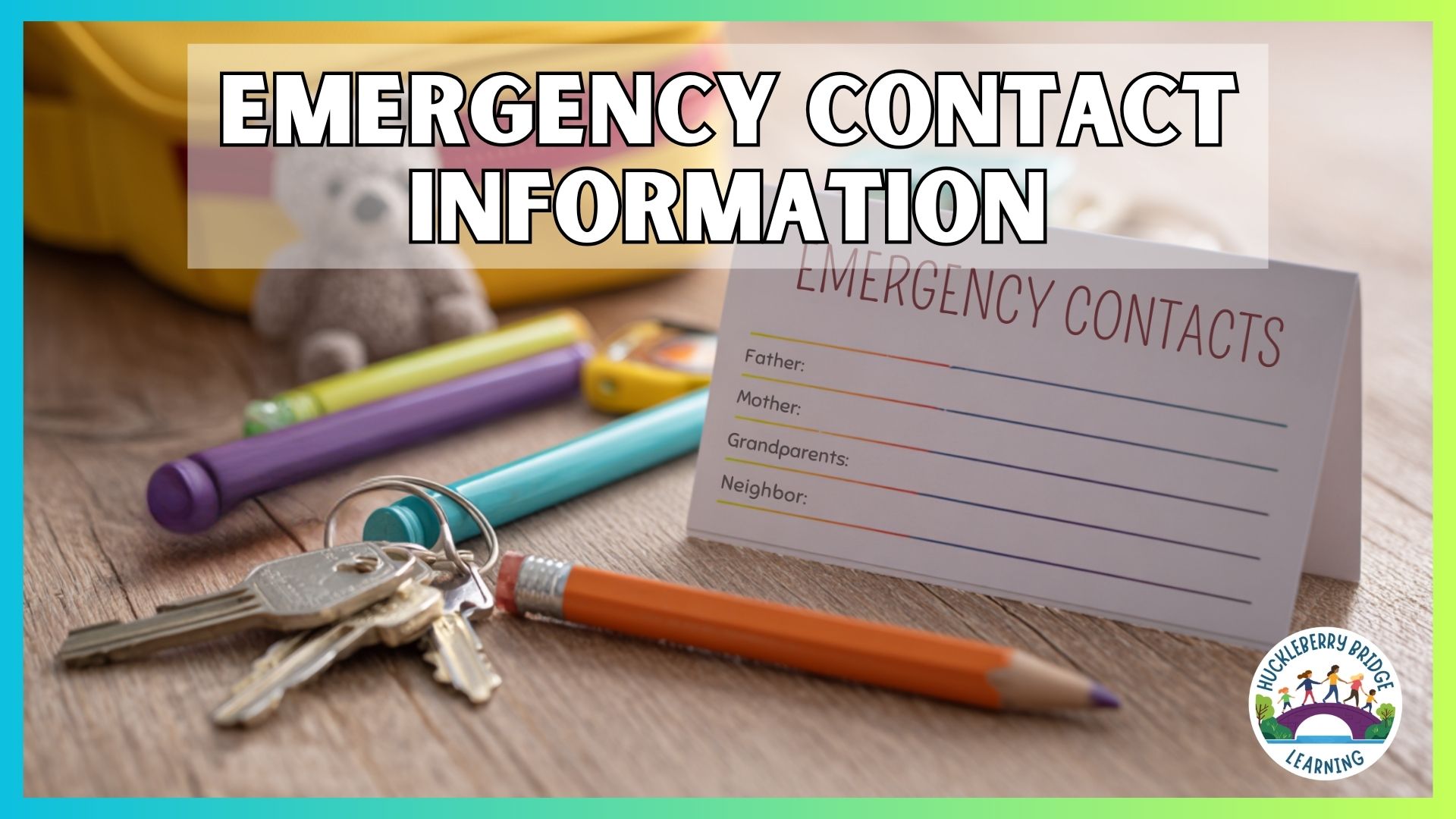
Knowing when and how to ask for help can be lifesaving. Life skills videos break down safety concepts, from avoiding dangerous situations to remembering important contact information.
Why it matters: Safety awareness empowers children to protect themselves and make smart choices in emergencies. Learn more about child safety practices from the National Safety Council.
How it’s taught: Our videos combine clear rules with reassuring language so children feel prepared, not scared.
Related Videos in Our Library: Stranger Safety, Emergency Contact Information, What to Do in a Big Emergency
8. Practicing Self-Regulation
Patience, waiting, and managing transitions can be tough for children. Life skills videos guide them through these challenges, modeling how to stay calm and flexible even when things don’t go as planned.
Why it matters: Self-regulation skills help children manage their behavior, focus on learning, and adapt to change.
How it’s taught: Our videos emphasize waiting strategies, positive self-talk, and gentle encouragement.
Related Videos in Our Library: Being Patient or Getting Ready to Go
9. Making Healthy Choices
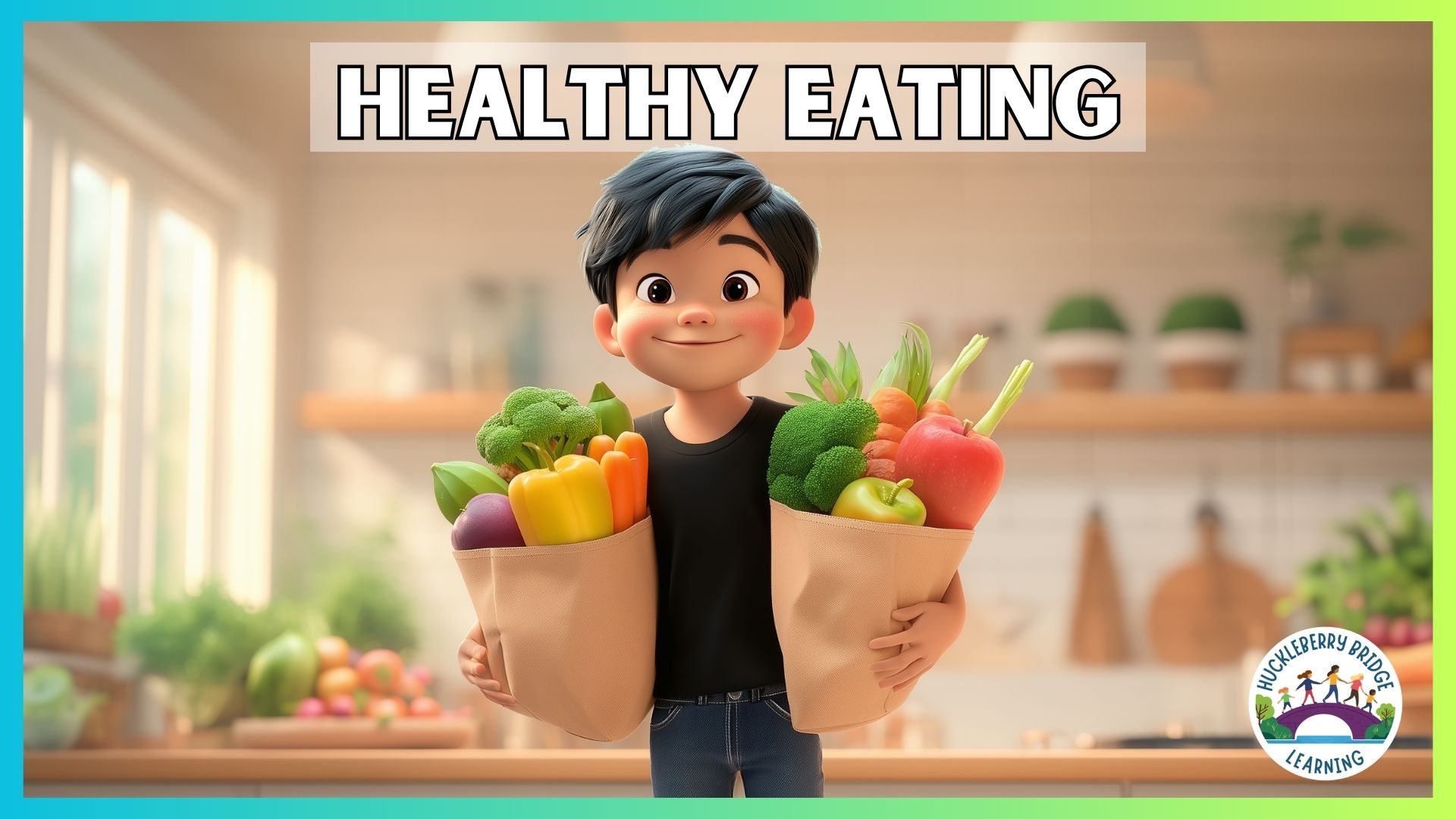
Good health starts with daily habits. Life skills videos explain the importance of nutrition, hygiene, and sun protection in a way that’s practical and motivating for children.
Why it matters: Healthy habits built early can last a lifetime, reducing illness and improving well-being. The American Academy of Pediatrics offers parent-friendly guidance on nutrition, hygiene, and wellness for kids.
How it’s taught: Our videos link cause and effect—washing hands keeps germs away, eating vegetables fuels energy—making choices feel logical and rewarding.
Related Videos in Our Library: Healthy Eating, Hand Washing, Using Sunscreen
10. Becoming More Independent
At the core of every life skills video is a powerful message: You are capable. By showing children how to complete tasks, solve problems, and handle new situations, our life skills videos build the belief that they can do things for themselves.
Why it matters: Independence gives children a sense of agency and pride, preparing them for future challenges.
How it’s taught: Our videos gradually shift responsibility to the child, encouraging small steps toward doing things on their own.
Related Videos in Our Library: Being Independent or Getting Ready to Go
Final Thoughts
Life skills are built through practice, support, and encouragement. Our life skills videos are one of the most effective tools we have to guide children toward greater confidence, independence, and connection.
Our growing library at Huckleberry Bridge Learning offers ready-to-use life skills videos for home, school, and therapy settings—because every child deserves to feel prepared for the world around them.
Explore our full library of life skills videos when you start your free trial today: Visit huckleberrybridge.com.
Together, we can help individuals grow more confident, more capable, and more connected—one lesson at a time.
In a Hurry? Here’s the Takeaway:
Life skills videos turn everyday challenges into opportunities for growth—helping kids build confidence, independence, and essential life skills.
Start your free trial and explore our library today.
Further Reading & Resources
If you’d like to explore more about life skills videos, life skills development, and child safety, these trusted resources offer additional insights:
- CDC: Life Skills Development – Guidance on teaching essential life skills for healthy youth development.
-
Child Mind Institute: Helping Kids Manage Emotions – Practical tips for supporting children’s emotional regulation.
-
National Safety Council – Safety awareness and best practices for keeping children safe in various environments.
-
HealthyChildren.org – American Academy of Pediatrics – Expert advice on nutrition, hygiene, and overall child wellness.