Dealing with Stress

Behavioral Skills

Pre-K, Elementary, Middle School, High School

Learning Objectives
  1. Identify physical and emotional signs of stress
  2. Demonstrate deep breathing as a calming strategy
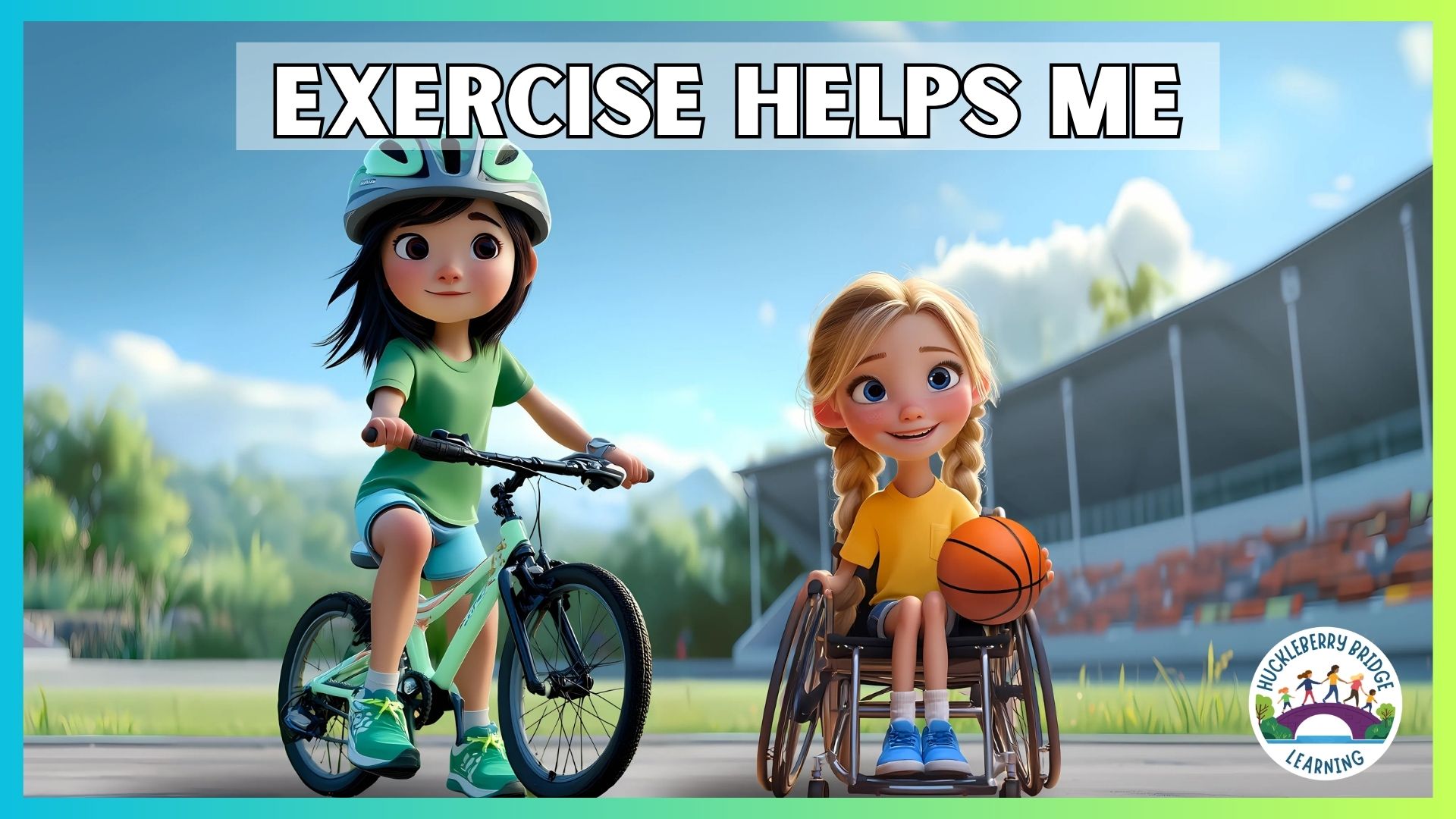
  3. Explore the benefits of movement and creative play for stress relief
  4. Explain how talking to others can help with stress
  5. Recognize the role of daily routines in managing stress
  6. Use positive self-talk and optimism to improve mood
  7. Practice breaking tasks into manageable steps to reduce stress

Kindergarten
CCSS.ELA-LITERACY.SL.K.2 – Ask and answer questions to understand key details
CCSS.ELA-LITERACY.L.K.5 – Explore word relationships and nuances in feelings-related vocabulary
CCSS.ELA-LITERACY.L.K.6 – Use words learned through conversation about emotions and routines

Grade 1
CCSS.ELA-LITERACY.SL.1.1 – Participate in collaborative conversations about emotions and solutions
CCSS.ELA-LITERACY.SL.1.2 – Ask and answer questions about managing stress and routines
CCSS.ELA-LITERACY.L.1.6 – Use newly acquired vocabulary about self-regulation

Grade 2
CCSS.ELA-LITERACY.SL.2.1 – Build on others’ talk in conversations about emotional responses
CCSS.ELA-LITERACY.SL.2.4 – Tell about a stressful experience and how it was handled
CCSS.ELA-LITERACY.L.2.6 – Use words that describe feelings and calming strategies

Grade 3
CCSS.ELA-LITERACY.SL.3.1 – Discuss stress and coping in a group setting
CCSS.ELA-LITERACY.SL.3.4 – Present strategies for dealing with stress in logical sequence
CCSS.ELA-LITERACY.L.3.6 – Use precise language and vocabulary to discuss feelings and routines

Grades 4–8
CCSS.ELA-LITERACY.SL.4.4–8.4 – Present ideas about emotional regulation and self-care using facts and examples
CCSS.ELA-LITERACY.L.4.6–8.6 – Acquire and use vocabulary related to emotions, stress management, and well-being

  • The student will identify at least three physical or emotional signs of stress and match them to appropriate coping strategies in 4 of 5 sessions by [date].
  • The student will demonstrate deep breathing with appropriate pacing and accuracy in 4 of 5 trials by [date].
  • The student will verbally describe or draw two preferred coping strategies they can use at school or home with 80% accuracy by [date].
  • The student will role-play asking for help when feeling overwhelmed with minimal prompts in 4 of 5 opportunities by [date].
  • The student will use positive self-talk in response to a stressful scenario in structured tasks in 4 of 5 sessions by [date].
  • The student will sequence 3–5 steps in creating a calming routine with visual support in 4 of 5 sessions by [date].

Related Companion Activity