Stranger Safety

Safety and Awareness

Pre-K, Elementary, Middle School, High School

Learning Objectives
  1. Understand the difference between trusted adults and strangers
  2. Recognize unsafe behaviors and warning signs from strangers
  3. Learn to respond with “no,” walk away, and find a trusted adult
  4. Practice using strong, confident voices to get help
  5. Understand that safe adults don’t ask kids to keep secrets or go places alone
  6. Build confidence in trusting personal feelings as a safety tool
  7. Reinforce the importance of speaking up and reporting uncomfortable situations

Kindergarten
CCSS.ELA-LITERACY.SL.K.1 – Participate in collaborative conversations
CCSS.ELA-LITERACY.SL.K.2 – Ask and answer questions about information presented orally
CCSS.ELA-LITERACY.L.K.6 – Use words and phrases acquired through conversations

Grade 1
CCSS.ELA-LITERACY.SL.1.1 – Participate in collaborative conversations
CCSS.ELA-LITERACY.SL.1.2 – Ask and answer questions about spoken and visual information
CCSS.ELA-LITERACY.L.1.6 – Use acquired vocabulary to talk about safety and behavior

Grade 2
CCSS.ELA-LITERACY.SL.2.1 – Engage in conversations with peers and adults
CCSS.ELA-LITERACY.SL.2.2 – Recount or describe key ideas from multimedia or spoken lessons
CCSS.ELA-LITERACY.L.2.6 – Use safety-related vocabulary in discussions

Grade 3
CCSS.ELA-LITERACY.SL.3.1 – Engage in collaborative discussions
CCSS.ELA-LITERACY.SL.3.2 – Determine the main idea and supporting details from spoken information
CCSS.ELA-LITERACY.L.3.6 – Use precise vocabulary to describe safety and personal responses

Grade 4
CCSS.ELA-LITERACY.SL.4.1 – Participate in group discussions respectfully
CCSS.ELA-LITERACY.SL.4.2 – Paraphrase key information from multimedia or oral presentations
CCSS.ELA-LITERACY.L.4.6 – Use academic and social vocabulary to express understanding

Grade 5
CCSS.ELA-LITERACY.SL.5.1 – Participate in structured discussions on safety-related topics
CCSS.ELA-LITERACY.SL.5.2 – Summarize information from spoken or media content
CCSS.ELA-LITERACY.L.5.6 – Use relevant vocabulary when discussing safe and unsafe situations

Grade 6
CCSS.ELA-LITERACY.SL.6.1 – Engage effectively in collaborative discussions
CCSS.ELA-LITERACY.SL.6.2 – Interpret and evaluate spoken information for key messages
CCSS.ELA-LITERACY.L.6.6 – Use vocabulary to communicate ideas about personal safety

Grade 7
CCSS.ELA-LITERACY.SL.7.1 – Engage in collaborative discussions with appropriate detail
CCSS.ELA-LITERACY.SL.7.2 – Analyze key points and emotional tone in spoken material
CCSS.ELA-LITERACY.L.7.6 – Use precise vocabulary to discuss safety, responsibility, and boundaries

Grade 8
CCSS.ELA-LITERACY.SL.8.1 – Initiate and participate in collaborative discussions
CCSS.ELA-LITERACY.SL.8.2 – Evaluate purpose, tone, and clarity in safety-related messages
CCSS.ELA-LITERACY.L.8.6 – Use academic and social-emotional language to express awareness and safety strategies

  • The student will identify at least three examples of unsafe stranger behavior (e.g., offering gifts, asking to keep secrets) in 4 out of 5 trials by [date].
  • The student will role-play saying “no,” walking away, and telling a trusted adult in response to a safety scenario in 4 out of 5 structured opportunities by [date].
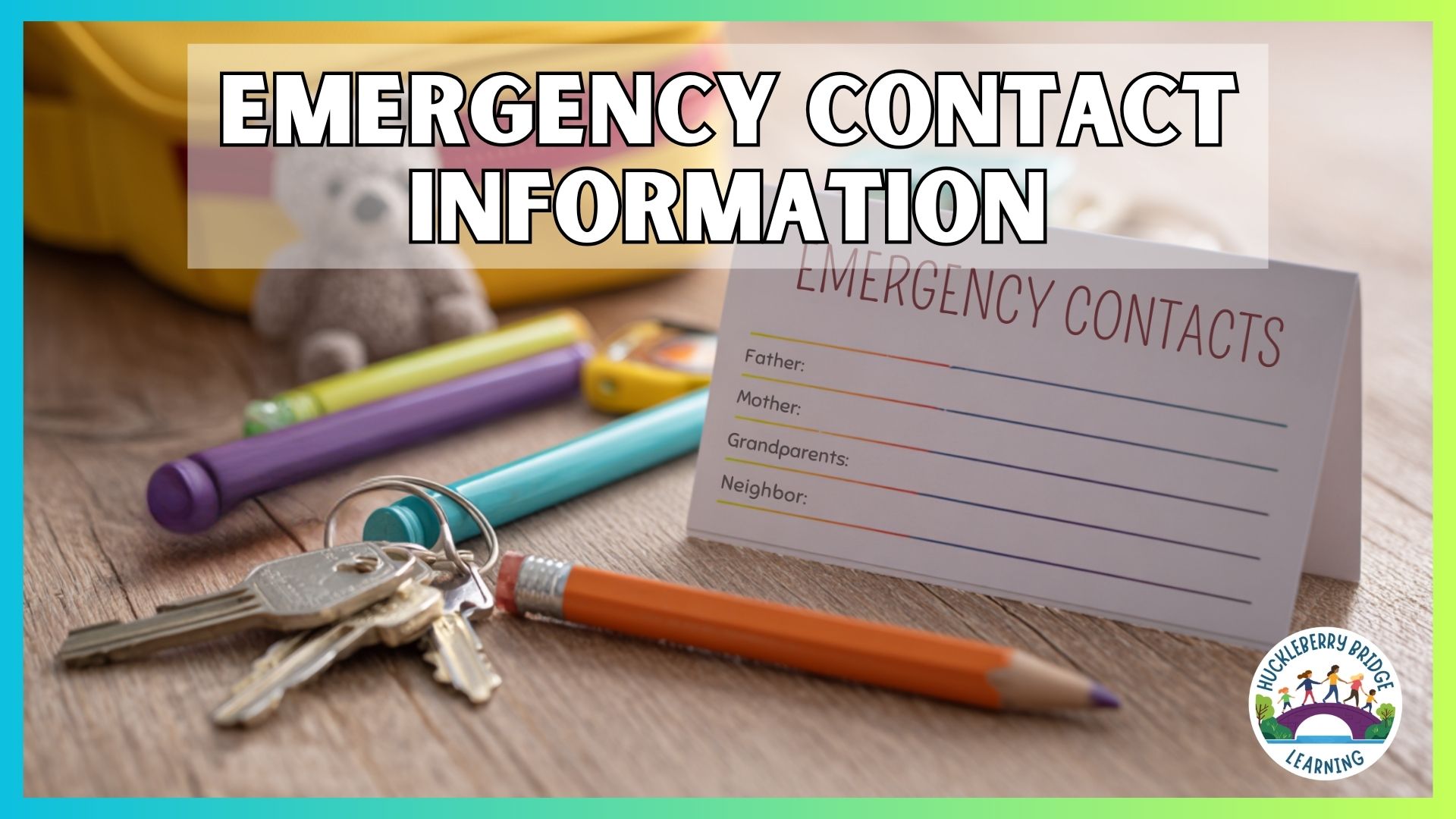
  • The student will list two or more trusted adults they can go to for help in 3 out of 4 sessions with visual or verbal support by [date].
  • The student will explain how their body might feel when something is unsafe and describe one action they can take in 4 out of 5 trials by [date].
  • The student will use a strong voice to practice safety phrases (e.g., “No!” “Help!”) in 3 out of 4 guided practice sessions by [date].
  • The student will retell or summarize the safety steps they would follow if approached by a stranger using sentence prompts or visuals in 4 out of 5 trials by [date].

Related Companion Activity