What Are Life Skills Video Lessons? A Helpful Guide to Easier Learning
Welcome to this guide to life skills video lessons—a simple yet powerful way to help children navigate everyday situations with greater confidence, clarity, and calm.
Whether you’re a parent supporting your child through a new routine or an educator helping students build social and emotional skills, life skills video lessons can provide clear guidance at just the right moment.
In this article, we’ll explore what life skills video lessons are, why they work so well, who they’re designed for, and how to use them effectively. You’ll also find examples of common situations where these lessons can be especially helpful, along with practical tips for making them meaningful and relatable for the children in your care.
What Are Life Skills Video Lessons?
Life skills video lessons are short, structured instructional videos that explain everyday routines, expectations, and experiences in a way that children can easily understand.
Our animated life skills video lessons use clear, narrative-based teaching to help children understand everyday experiences. By combining simple language, visuals, and relatable situations, these lessons help learners see what might happen in a situation and what they can do to respond successfully.
Rather than focusing on correction or discipline, these lessons focus on building understanding. They walk children through situations step by step, helping them feel prepared for what might happen and how they can handle it.
These lessons often show:
- what a situation might look like
- what people might feel
- what helpful responses might be
- what expectations are in that environment
This approach helps children understand everyday experiences in a calm, supportive way.
Life skills video lessons can support children as they learn how to:
- follow routines
- understand social expectations
- manage emotions
- build independence
- navigate unfamiliar environments
Why Are Life Skills Video Lessons Effective?
One of the biggest reasons these lessons are effective is that they increase predictability.
When children understand what to expect, situations often feel less overwhelming. And when children feel safe and prepared, they are better able to learn, participate, and succeed.
Life skills video lessons help by:
- making unfamiliar situations feel more predictable
- providing guidance without criticism or pressure
- validating children’s feelings
- modeling helpful strategies and responses
- supporting confidence and self-regulation
Instead of simply telling children what to do, these lessons help them understand why certain behaviors are helpful.
Video-based instruction adds another powerful layer: visual modeling.
When children watch a character calmly navigate a situation—like asking for help, waiting their turn, or managing frustration—they can see what those behaviors look like in real life. This makes it easier for them to apply the same strategies when they encounter similar situations.
Who Are Life Skills Video Lessons For?
Life skills video lessons are especially helpful for children who benefit from clear explanations and structured learning.
They can support children who:
- have autism, ADHD, or anxiety
- experience sensory challenges
- struggle with transitions or unfamiliar environments
- find social cues confusing
- benefit from visual learning and repetition
- need extra support learning emotional or behavioral skills
However, these lessons are not only for children with developmental differences.
Many children benefit from additional guidance when learning new routines, understanding expectations, or preparing for unfamiliar situations. Life skills video lessons provide that support in a calm and accessible way.
In short, they are helpful for any child who benefits from clear explanations, visual examples, and structured learning experiences.
When to Use Life Skills Video Lessons
Life skills video lessons can support children in many everyday situations.
Here are some common examples.
Daily Routines
Morning routines, brushing teeth, getting dressed, or going to bed can sometimes feel overwhelming for children.
Video lessons help break these routines into clear steps so children know what to expect and what comes next.
New Experiences
A visit to the dentist, starting a new school year, or traveling somewhere new can create uncertainty.
Watching a lesson about the experience ahead of time helps children feel more prepared and confident.
Social Skills
Skills like greeting others, taking turns, or asking for help are important but not always intuitive.
Life skills video lessons can model these interactions and give children helpful language and strategies.
Emotional Regulation
Big feelings can be difficult to understand and manage.
Lessons that explore emotions like frustration, worry, or anger can help children recognize their feelings and practice healthy coping strategies.
Public Behavior
Places like stores, libraries, and restaurants come with expectations that children may not immediately understand.
Video lessons can explain these expectations clearly and kindly.
Safety and Independence
Lessons about safety—such as staying with a group, recognizing important signs, or asking for help—help children build independence while staying safe.
How to Use Life Skills Video Lessons Effectively
To get the most out of life skills video lessons, it helps to use them intentionally.
Introduce Lessons Before the Situation
These lessons work best when children watch them before the situation occurs, not during or after a difficult moment.
Think of them as preparation tools that help children feel ready and capable.
Watch Together
Sit with your child and watch the lesson together.
Pause to ask questions or talk about what is happening in the video. These conversations help deepen understanding and support language development.
Repeat When Needed
Repetition helps children become familiar with the ideas in the lesson.
Watching the video several times over days or weeks helps reinforce the concepts and build confidence.
Connect Lessons to Real Life
After watching a lesson, look for opportunities to apply the ideas during everyday moments.
For example:
“Remember the lesson we watched about waiting patiently?”
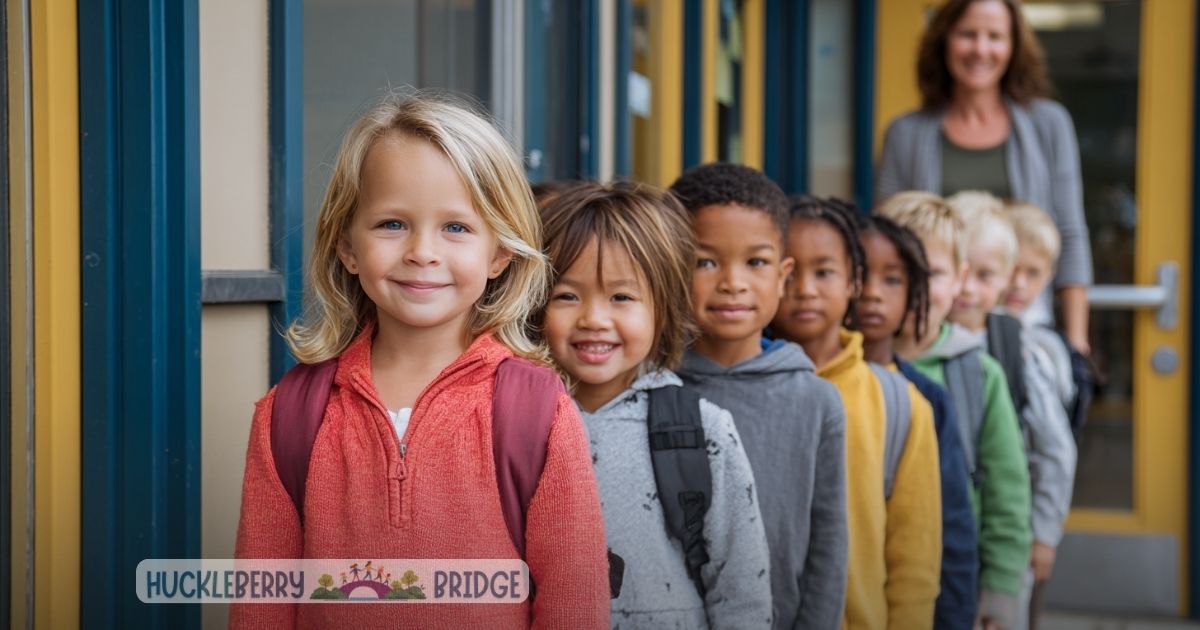
“This is like the video about lining up at school.”
These connections help bridge learning and real-life experiences.
Maintain a Supportive Tone
The most effective lessons use calm, respectful language.
They acknowledge how children might feel while offering helpful strategies and encouragement.
This approach helps children feel safe, supported, and capable.
Practical Tools That Support Learning
At Huckleberry Bridge Learning, our life skills video lessons are paired with optional companion activities designed to reinforce the concepts introduced in each video.
These no-prep digital activities help strengthen important thinking and language skills, including:
- answering questions
- sequencing events
- making inferences
- expanding language
- discussing feelings and choices
These materials can be used in classrooms, learning environments, or at home to deepen understanding and encourage meaningful conversations.
Why We Love Life Skills Video Lessons
At Huckleberry Bridge Learning, we believe every child deserves to feel prepared, understood, and supported as they grow.
Life skills video lessons offer a gentle and effective way to help children understand everyday experiences and build confidence navigating the world around them.
By providing clear explanations, visual examples, and supportive guidance, these lessons help children move from uncertainty to understanding.
And when children feel prepared, they are more likely to feel confident and capable.
We invite you to explore our growing library of animated life skills video lessons and companion activities designed to support children at home, in classrooms, and in learning environments.
Together, we can help children feel more prepared, more confident, and more connected—one lesson at a time.