Why We Created Life Skills Video Lessons—and How to Use Them Effectively
At Huckleberry Bridge Learning, everything we create is guided by a simple belief: every child deserves to feel safe, prepared, and understood.
For many children—especially those with autism, ADHD, anxiety, language delays, or other developmental differences—everyday experiences can sometimes feel confusing or overwhelming. New routines, unfamiliar places, and unspoken expectations can make situations feel unpredictable.
But when children understand what to expect, they can approach new situations with more confidence and calm.
That’s why we create life skills video lessons—to help children understand everyday experiences and build the skills they need to navigate the world successfully.
What Are Life Skills Video Lessons?
Life skills video lessons are short, structured instructional videos that explain everyday routines, expectations, and social experiences in a clear and reassuring way.
Our animated life skills video lessons use clear, narrative-based teaching to help children understand everyday experiences. By combining visuals, simple language, and relatable situations, these lessons help learners see what might happen in a situation and what they can do to respond successfully.
For example, a lesson might show:
- how to wait patiently
- what happens during a fire drill
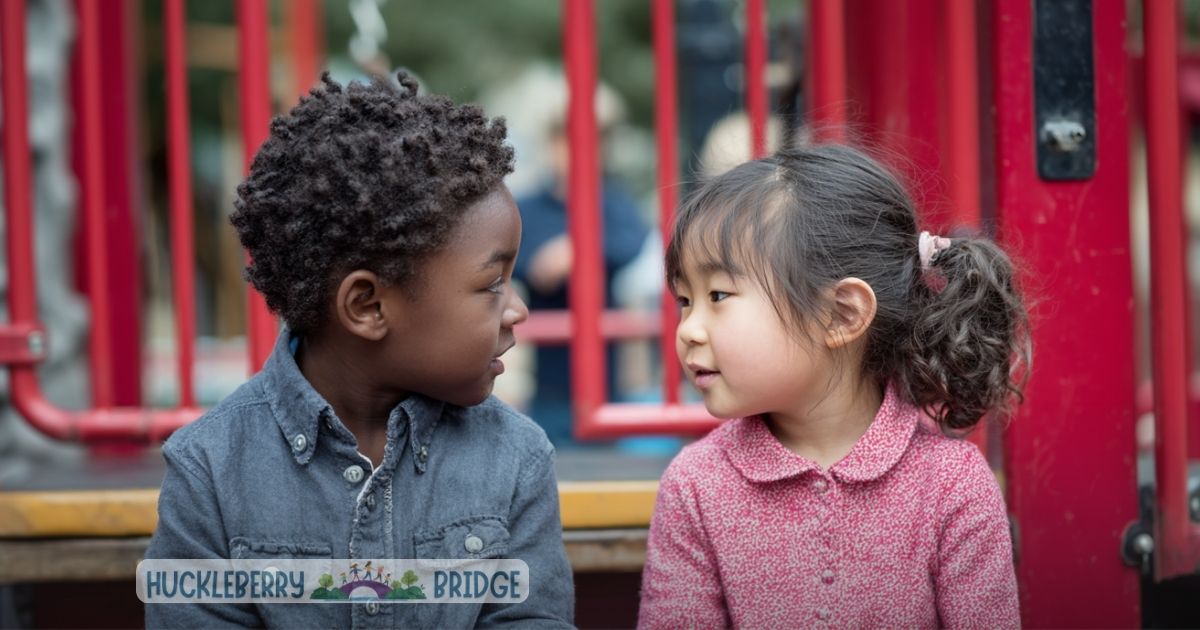
- how to join a game at recess
- what to expect at a doctor’s appointment
- ways to manage big feelings
Rather than focusing on correcting behavior, these lessons focus on building understanding. They help children feel prepared by walking through situations step by step in a calm, supportive way.
Many learners benefit from this type of instruction because it provides:
- clear explanations
- visual examples
- predictable structure
- repeated exposure to real-life situations
When children can see and hear how a situation might unfold, it often becomes easier for them to understand what to do when the moment arrives.
Why We Built Huckleberry Bridge Learning
Over the years, we’ve spoken with many parents, educators, and therapists who wanted practical resources that help children understand everyday life.
Families were often searching for tools that could:
- prepare a child for a new experience
- explain routines in a clear and supportive way
- help children understand emotions or social situations
But it wasn’t always easy to find resources that felt relatable, calm, and ready to use.
We created Huckleberry Bridge Learning to help meet that need.
Our growing library of animated life skills video lessons and optional companion learning activities is designed to help children develop skills related to:
- daily routines
- emotional awareness
- social communication
- independence
- safety and community awareness
Each lesson reflects real-world situations and is designed to help children feel capable, confident, and prepared.
How to Use Life Skills Video Lessons Effectively
Although life skills video lessons are simple and engaging, they are most effective when used intentionally.
Introduce lessons before the situation occurs
These lessons work best when children watch them before a situation happens, not during a stressful moment.
Think of them as preparation tools.
For example, you might watch a lesson about:
- visiting the dentist before an appointment
- taking turns before playtime
- classroom routines before the school year begins
Preparing ahead of time helps reduce uncertainty and builds confidence.
Repeat lessons over time
Children often benefit from watching the same lesson multiple times.
Repetition helps build familiarity, and familiarity helps children feel more comfortable when they encounter the real-life situation.
Watching a lesson again a few days later—or revisiting it before the situation occurs—can help reinforce the message.
Talk about the lesson together
After watching a lesson, spend a few minutes talking about it.
You might ask questions like:
- “What do you think the character was feeling?”
- “What could you do in that situation?”
- “Have you ever experienced something like that?”
These conversations help children process what they saw and connect the lesson to their own experiences.
Connect lessons to real-life moments
Everyday experiences offer natural opportunities to reinforce the ideas from the lesson.
For example:
- “This is like the lesson we watched about waiting patiently.”
- “Remember how the character stayed calm in the video?”
These small reminders help children connect the lesson to real-world situations.
Using Life Skills Video Lessons at Home
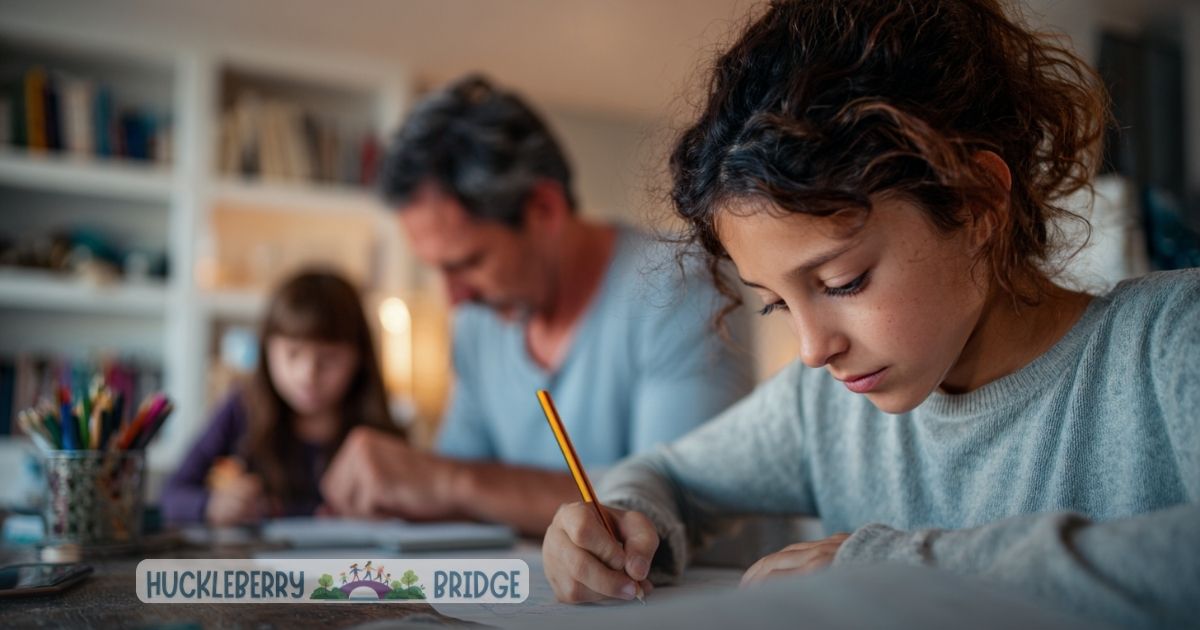
At home, life skills video lessons can support everyday routines and prepare children for new experiences.
Families often use them to help with situations such as:
- getting ready for school
- bedtime routines
- visiting new places
- learning household responsibilities
- understanding emotions
Because the lessons are video-based, children can easily watch them again whenever they need a reminder. This can be especially helpful during busy routines or before upcoming events.
Using Life Skills Video Lessons at School
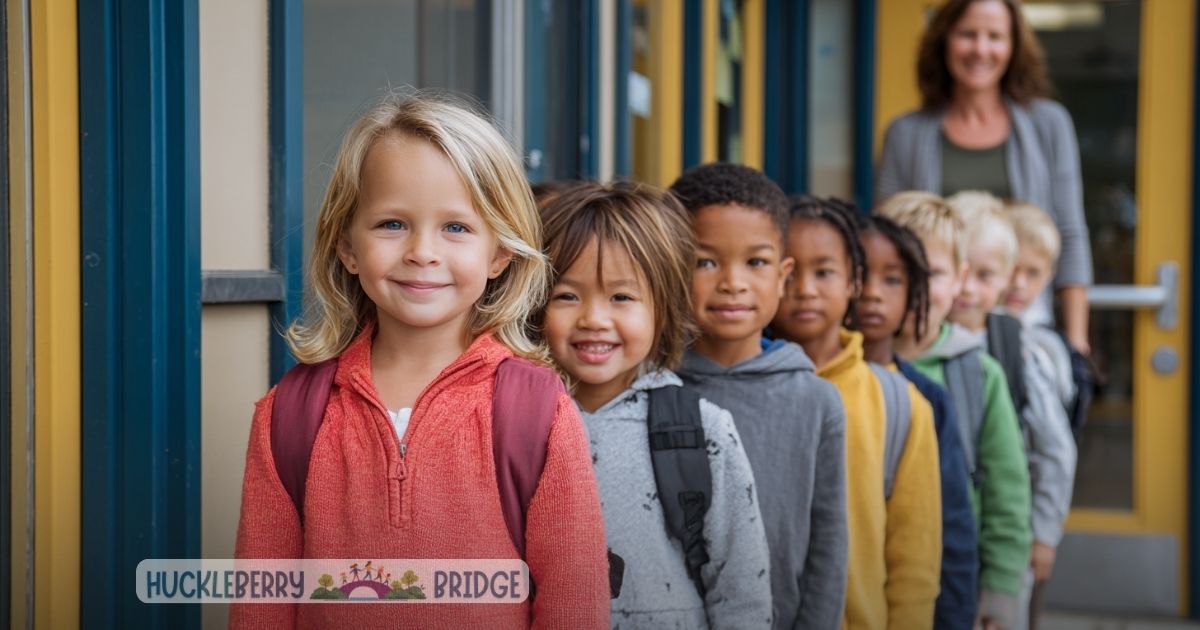
In schools, educators and therapists can use life skills video lessons with:
- individual students
- small groups
- entire classrooms
They can be especially helpful during:
- classroom transitions
- social skill instruction
- emotional regulation lessons
- preparing for special events such as assemblies or fire drills
Teachers may pause a lesson to ask questions, discuss what characters are feeling, or practice strategies together.
Companion activities—such as discussion prompts, worksheets, or role-play—can further reinforce the skills introduced in the lesson.
Tips for Getting the Most Out of Life Skills Video Lessons
A few simple strategies can help maximize their impact.
Focus on one skill at a time.
Lessons are most effective when they clearly address a single routine or concept.
Use familiar situations.
Children connect best with lessons that feel similar to their own experiences.
Introduce lessons early.
Preparation helps reduce anxiety and build confidence.
Repeat lessons when needed.
Watching again reinforces learning.
Practice the skill in real life.
Look for everyday moments to apply what the lesson teaches.
Common Mistakes to Avoid
A few common pitfalls can reduce the effectiveness of learning tools like these.
Waiting until a problem occurs
Lessons work best as preparation, not just as a response.
Watching only once
Most learners benefit from repeated exposure.
Making lessons too complex
Clear, simple explanations are easier for children to understand.
Not connecting lessons to real life
Discussing and practicing the skill helps learning transfer to everyday situations.
Explore the Huckleberry Bridge Learning Library
At Huckleberry Bridge Learning, we’ve created a growing library of animated life skills video lessons paired with optional companion activities.
These resources are designed to help children develop important everyday skills such as:
- managing emotions
- building independence
- navigating routines
- understanding social expectations
- staying safe in their communities
Our goal is to make it easier for families and educators to support learning in ways that feel practical, supportive, and engaging.
Final Thoughts
Helping children understand everyday experiences is one of the most powerful ways we can support their growth. When children feel prepared, they often feel calmer, more confident, and better able to navigate new situations. Thoughtfully designed life skills video lessons provide a gentle and effective way to build those skills.
At Huckleberry Bridge Learning, we’re honored to support families and educators who are helping children grow, learn, and thrive—one skill and one experience at a time.