
Helping Kids Cope with Being Sick: Comfort, Clarity & Care
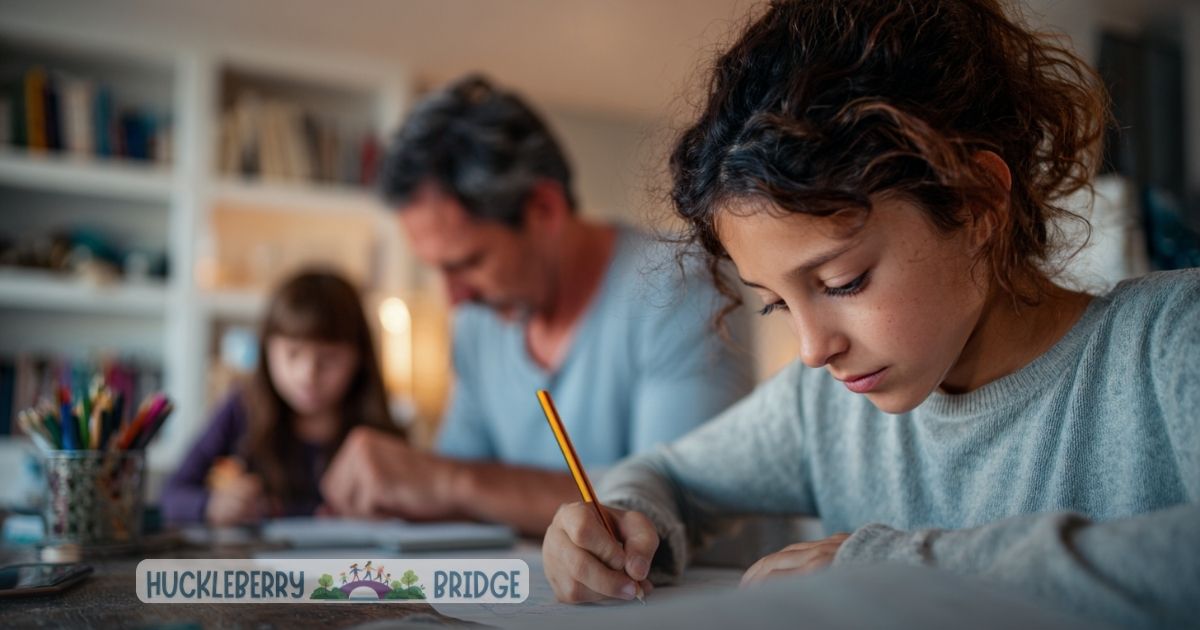
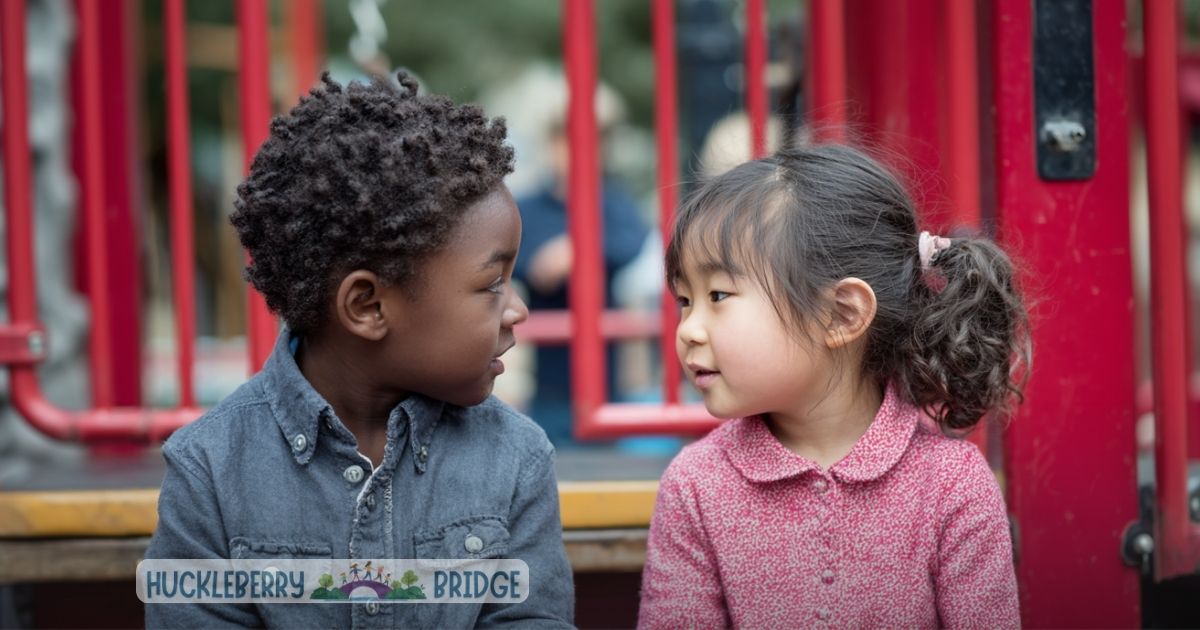
Being sick is tough for anyone, but for kids, it can feel especially unsettling. Missed playdates, skipped sports practices, or time away from school can leave them feeling left out, frustrated, or even scared. As parents, educators, and therapists, we have the opportunity to not only care for their physical health but also support their emotional well-being when illness strikes.
This guide explores how to help kids cope with being sick by creating a supportive environment, teaching them about rest and recovery, and using simple tools like life skills videos to make the process less stressful and more reassuring.
Understanding How Kids Feel When They’re Sick
Illness disrupts routines, and kids thrive on consistency. Whether it’s a common cold, the flu, or just feeling run-down, children may experience:
- Fear of missing out on fun activities or falling behind in school.
- Frustration over not feeling well enough to play or socialize.
- Boredom from being stuck at home.
- Worry about doctor visits, medicine, or unfamiliar symptoms.
Research shows that illness and hospitalization can heighten anxiety in children, particularly when routines are disrupted or they feel uncertain about what’s happening (Delvecchio et al., 2019). Validating their feelings is the first step to helping them cope. Simple phrases like “It’s okay to feel upset that you’re missing recess today” or “I know it’s frustrating to have to rest. Your body needs rest because it is working hard to get better” go a long way in providing comfort and reassurance.
Creating a Comforting Environment
Kids often recover faster and feel calmer when their environment feels secure and nurturing. Try these simple steps:
- Offer cozy blankets, soft lighting, and their favorite quiet-time activities.
- Let them choose a book, a simple puzzle, or a calm TV show.
- Keep essential items nearby: tissues, water, a small snack, or a favorite stuffed animal.
Even small choices—like what tea to drink or which pajamas to wear—can help kids feel a sense of control when their body feels out of control. Studies suggest that allowing children small amounts of autonomy during illness or hospitalization can ease stress and promote emotional regulation (Compas et al., 2011).
Teaching Rest and Recovery Habits
Illness provides an opportunity to teach kids how to care for themselves and prevent spreading germs. Keep it simple and positive:
- Rest matters: Explain that their body needs extra sleep to fight off germs.
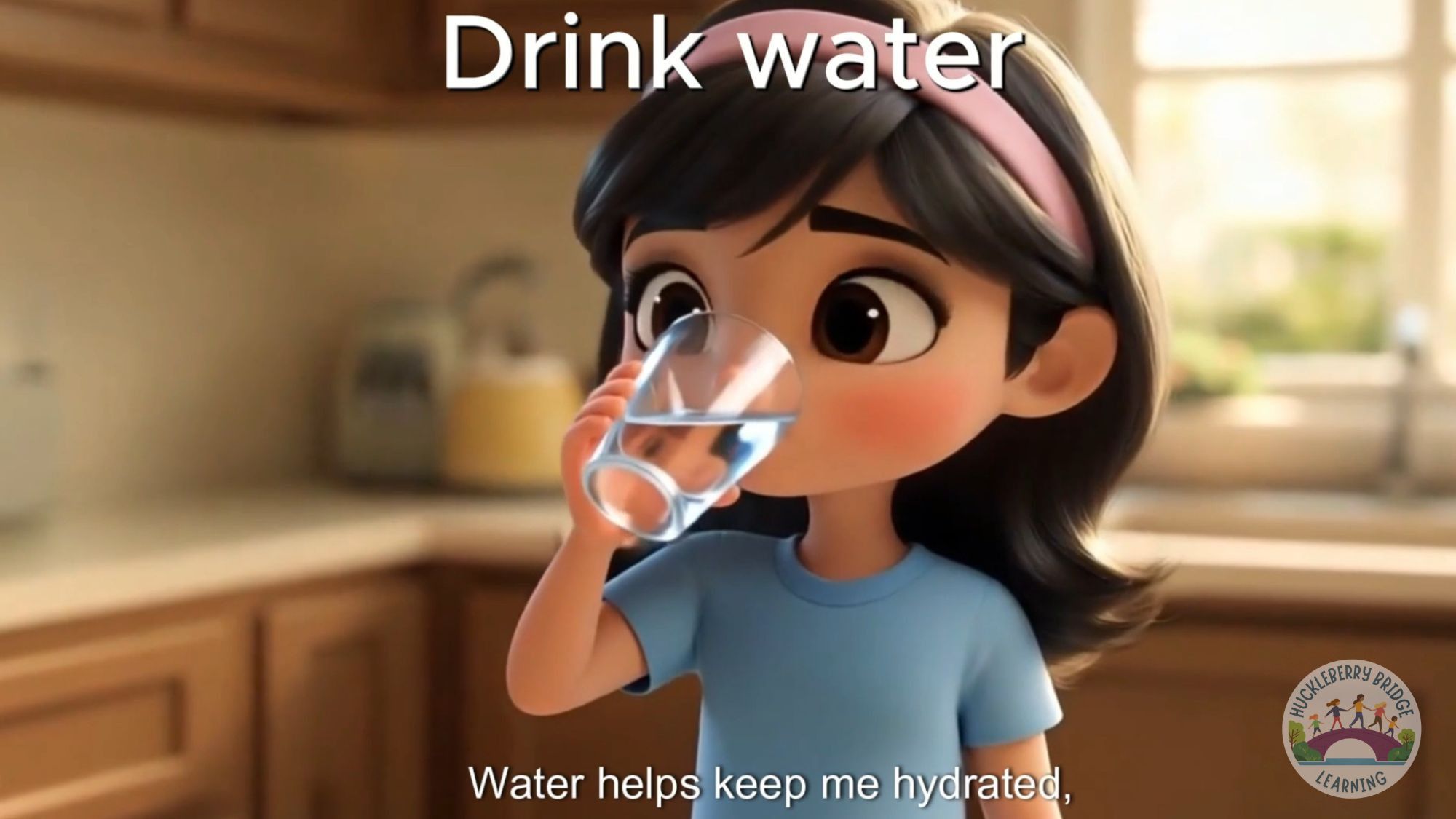
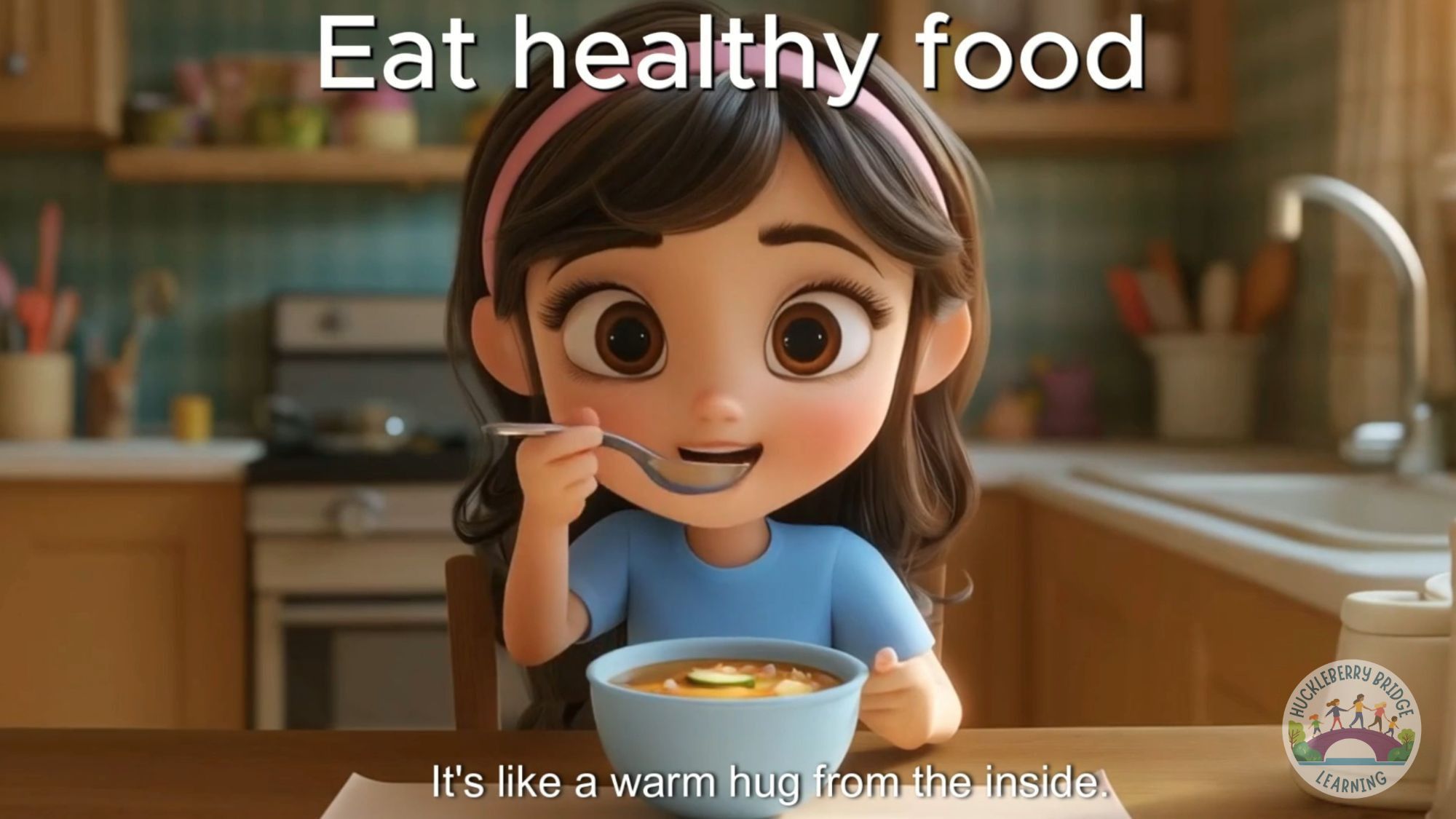
- Hydration is healing: Offer water, warm broth, or kid-friendly electrolyte drinks.
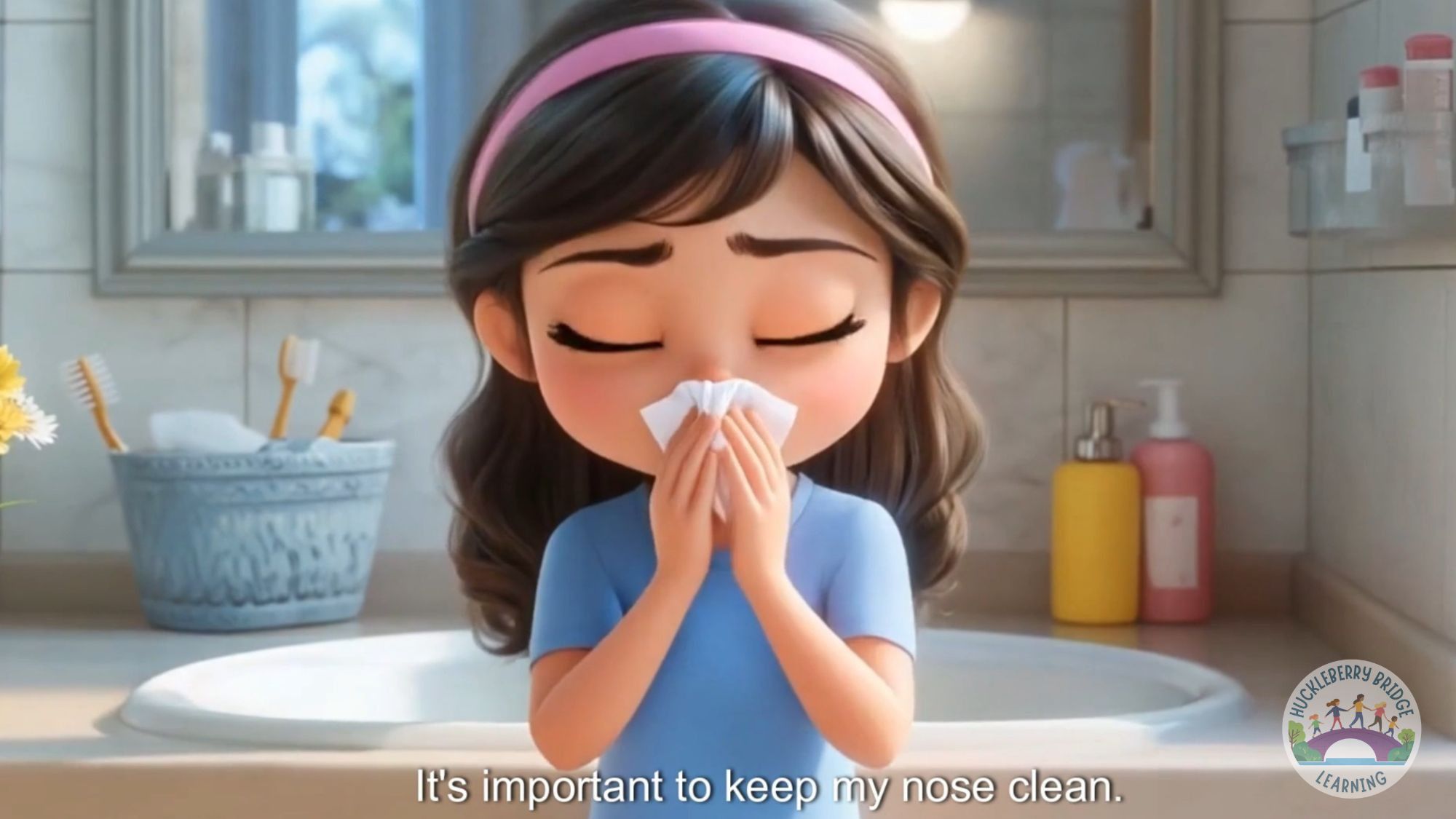
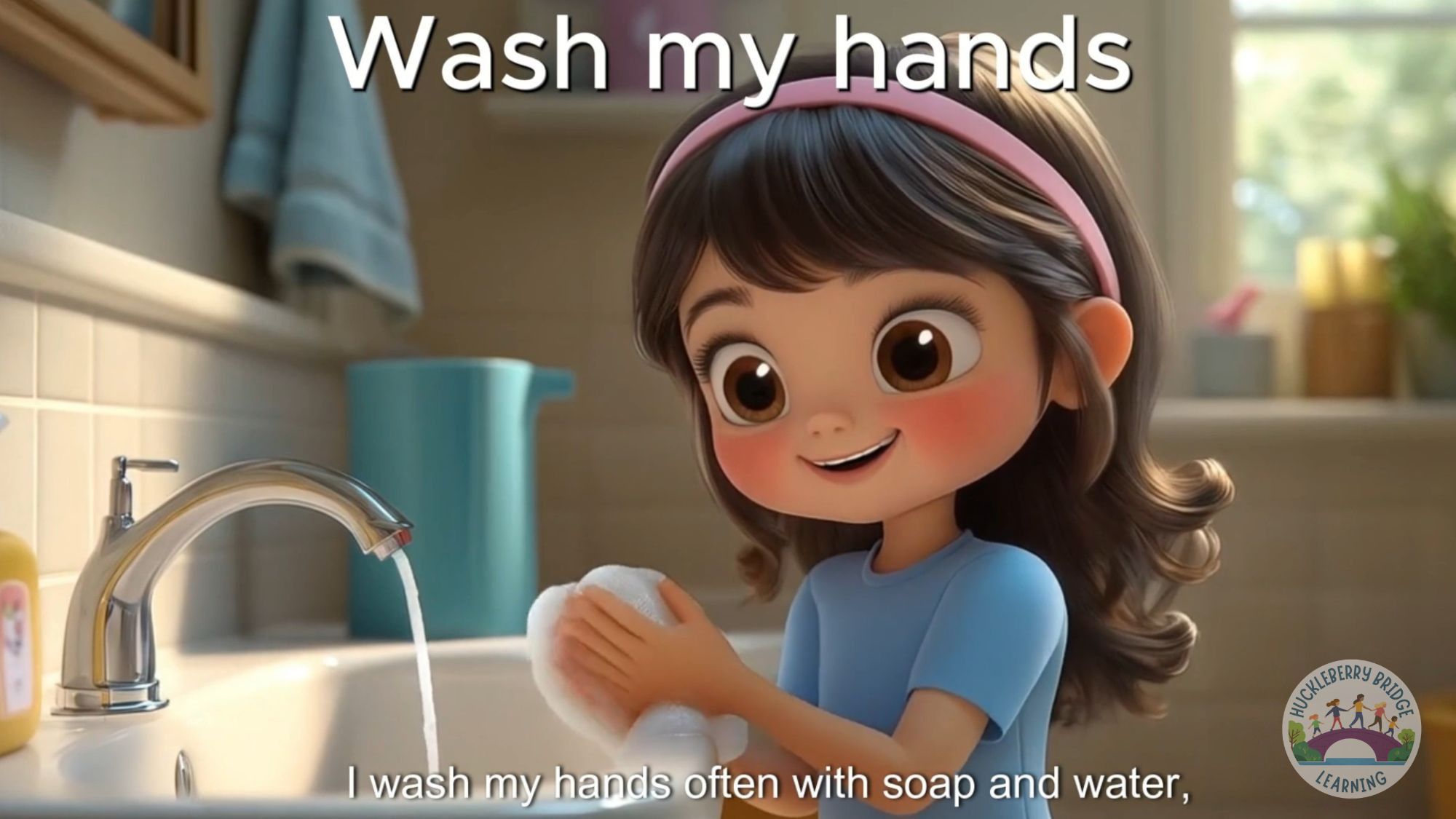
- Healthy hygiene: Model handwashing, using tissues, and covering coughs.
The American Academy of Pediatrics emphasizes that rest, hydration, and hygiene not only help recovery but also empower children with lifelong health habits. Teaching kids that staying home protects others also introduces the idea of empathy and responsibility (Failo et al., 2018).
Using Life Skills Lessons to Explain Being Sick
Our life skills lessons are a gentle, effective way to help children understand what it means to be sick and how to handle it. On our website, HuckleberryBridge.com, we offer a narrated life skills video and companion activity focused on this exact topic. These tools break down the experience into simple, reassuring steps:
- What it means to feel sick.
- What to do (rest, drink fluids, take medicine if needed).
- How adults will help.
- What happens next (rest now, feel better soon).
Life skills videos are especially helpful when children don’t feel well enough to read independently—they can simply watch and listen as often as they need.
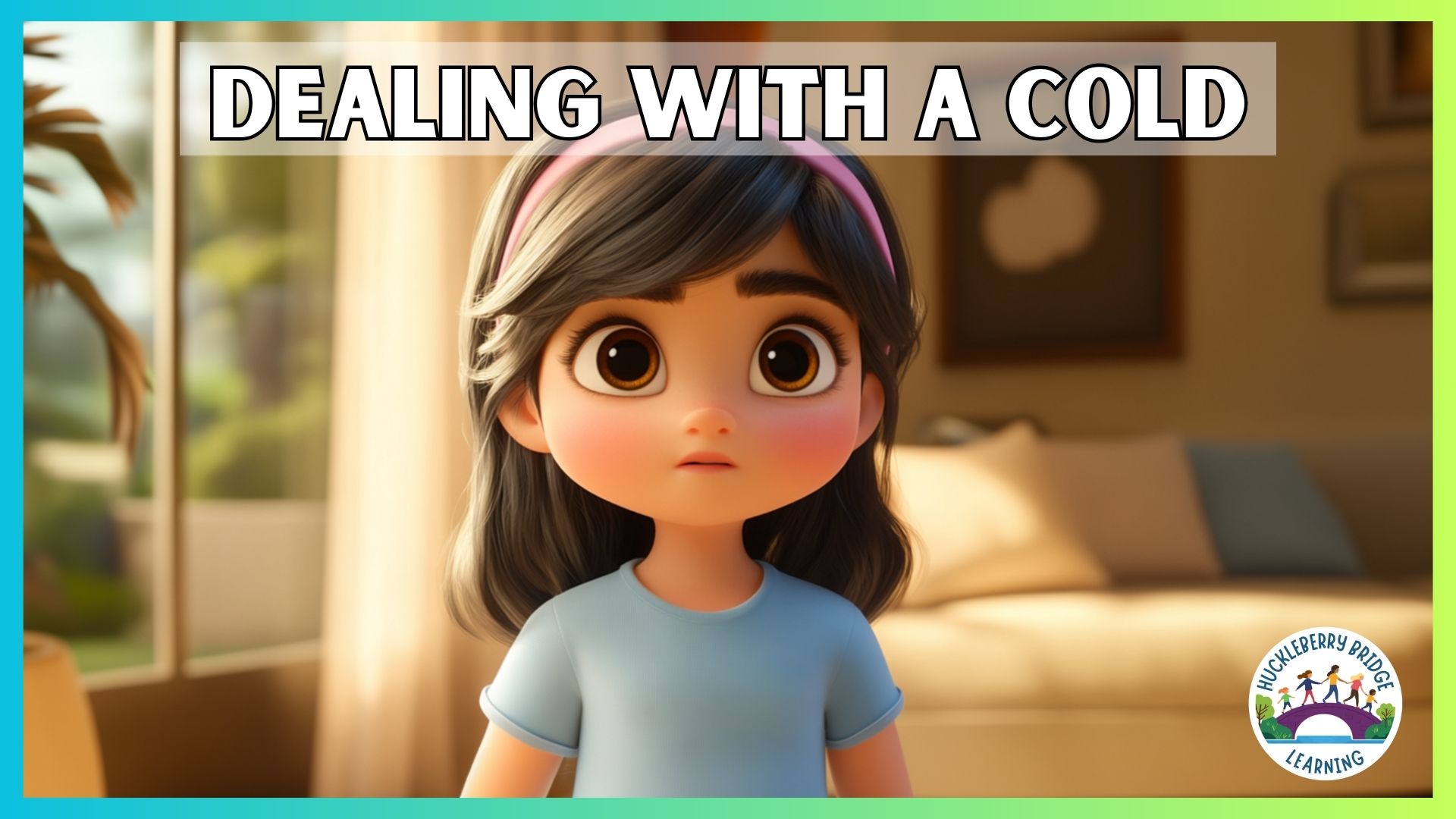
See images from our life skills video below.
Encouraging Emotional Expression
Sick days can bring big feelings. Encourage kids to:
- Share their worries about missing school or friends.
- Draw or color how they feel.
- Talk about what helps them feel better when they’re sick.
Using simple emotion words like sad, bored, tired, or worried helps them label their feelings and feel understood. Research highlights that coping strategies such as drawing, talking, and emotional labeling reduce distress and help children feel more in control of their experience (Failo et al., 2018).
Supportive Takeaways for Parents & Educators
Helping kids cope with being sick isn’t just about treating symptoms—it’s about nurturing their whole well-being. A few key reminders:
- Keep explanations simple and positive.
- Use tools like our life skills video to prepare and reassure them.
- Validate their feelings and give them small choices.
- Encourage healthy habits without pressure.
With patience, consistency, and a little creativity, sick days can become opportunities for rest, learning, and connection.
Want to Make Your Next Sick Day Smoother?
Visit HuckleberryBridge.com to access our “Dealing with a Cold” life skills video and companion activity.
- Explore our Life Skills Video Library.
- Try out our life skills videos and companion activities with a Free 7 day trial.
- Videos + Companion Activities for a complete, ready-to-use toolkit.
Because every child deserves comfort, clarity, and care—even on the sniffly days.
Preview Our Dealing with a Cold Life Skills Video
Want a peek inside? Below are a few images from our narrated video Dealing with a Cold. These previews show how the video uses clear visuals and calm narration to help kids understand what it means to be sick, what to do, and how adults will help.

👉 Ready to get great info? Sign up for our free newsletter to get updates, free resources, and expert tips delivered straight to your inbox.
References
- Compas, B. E., Jaser, S. S., Dunn, M. J., & Rodriguez, E. M. (2011). Coping with chronic illness in childhood and adolescence. Annual Review of Clinical Psychology, 8, 455–480. https://doi.org/10.1146/annurev-clinpsy-032511-143108
- Delvecchio, E., Salcuni, S., Lis, A., Germani, A., & Di Riso, D. (2019). Hospitalized children: Anxiety, coping strategies, and play. Frontiers in Public Health, 7, 250. https://doi.org/10.3389/fpubh.2019.00250
- Failo, A., et al. (2018). Coping strategies and emotional well-being in children and adolescents with chronic diseases. Minerva Pediatrica, 70(6), 529–537. https://pubmed.ncbi.nlm.nih.gov/29258354/