6 Powerful Life Skills Kids Learn at Breakfast
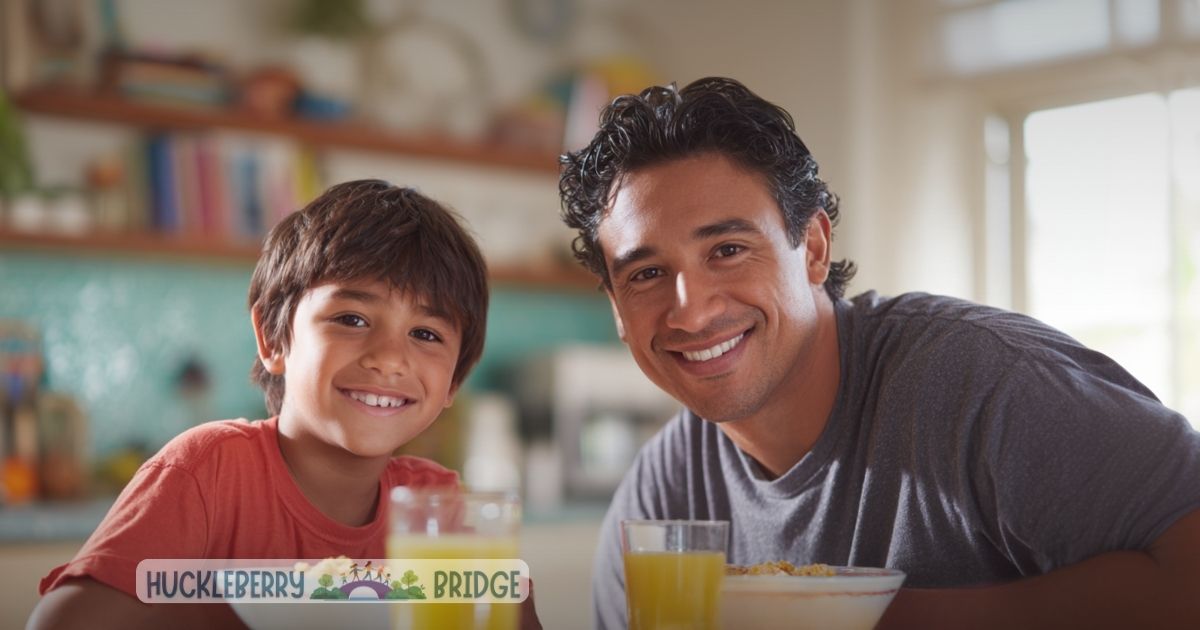
Breakfast is often called the most important meal of the day—and it’s also one of the most powerful times to teach independence, responsibility, and social communication skills. For many families, mornings can feel rushed and stressful, but turning breakfast into a learning opportunity helps children (and students in school settings) develop essential life skills in a natural, meaningful way.
Whether you’re a parent, teacher, or therapist, breakfast routines can become more than just fueling up—they can be a foundation for lifelong habits of independence and self-confidence.
Why Breakfast Routines Matter for Kids (and What the Research Says)
Daily routines give children a sense of structure and predictability, which helps them feel calm, confident, and ready for the day. Breakfast, in particular, is a powerful opportunity to build independence, social skills, and healthy habits.
- Structure builds confidence – When kids know what to expect—like sitting down for breakfast, making a food choice, or helping with cleanup—they feel safe and secure. Experts at Seattle Children’s Hospital note that predictable routines reduce stress and help children approach their day with confidence.
- Routines strengthen development – A large systematic review of 170 studies found that daily routines are tied to growth in cognitive skills, social-emotional development, self-regulation, and even physical health. These everyday patterns, including breakfast, act as stepping stones toward independence and resilience (Selman et al., 2024).
- Everyday habits shape the brain – New brain-imaging research revealed that children with consistent routines—like regular family meals and bedtime stories—showed more developed brain regions linked to language, sensory processing, and emotional regulation. Routines don’t just shape behavior; they actually support healthy brain development (Merz et al., 2025).
In other words, the small steps of a breakfast routine—gathering items, pouring cereal, eating, and cleaning up—are more than mealtime tasks. They are building blocks for lifelong skills in communication, independence, and confidence.
Life Skills Breakfast Can Teach
Breakfast is full of built-in opportunities to practice real-world skills. Here are 6 ways kids can learn and grow at the table:
- Following a Sequence – Gathering items, preparing food, eating, and cleaning up teaches order and organization.
- Fine Motor Skills – Pouring milk, spreading butter, or peeling fruit strengthens coordination and control.
- Decision-Making – Choosing between toast or cereal encourages independence and personal choice.
- Social Communication – Saying “please,” “thank you,” or asking for help fosters positive interactions.
- Time Management – Completing breakfast within a set time prepares children for school or therapy sessions.
- Healthy Habits – Learning about balanced food choices builds awareness of nutrition and long-term well-being.
How to Support Breakfast Routines at Home and School
Making breakfast into a structured learning opportunity doesn’t require extra time—it’s about turning ordinary tasks into teachable moments. Here are some strategies you can use:
- Use Visuals – Picture schedules or step-by-step life skills videos can guide children through the routine.
- Model and Prompt – Demonstrate tasks like pouring or spreading, then provide gentle reminders as needed.
- Encourage Independence – Allow children to try tasks on their own, even if it gets a little messy at first.
- Celebrate Effort – Recognize small successes to build confidence and motivation.
- Keep It Consistent – A predictable routine reduces stress and supports long-term learning.
Bringing It All Together with Huckleberry Bridge Learning
At Huckleberry Bridge Learning, we believe everyday routines like breakfast are some of the best opportunities to build practical life skills. That’s why we’ve created our Making a Bowl of Cereal life skills video and companion activities.
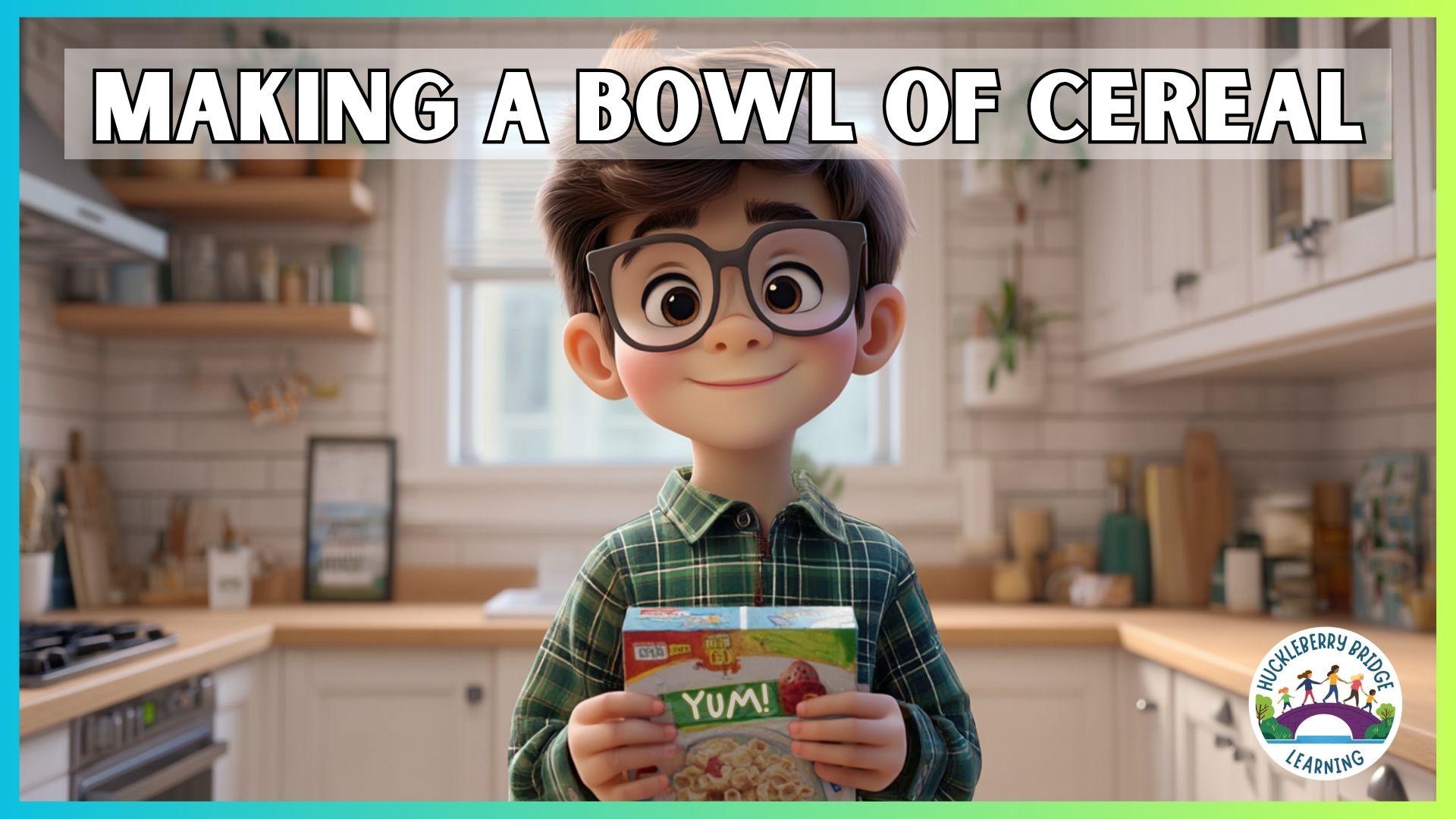

This step-by-step resource combines clear visuals, simple narration, and interactive practice activities to help learners strengthen sequencing, independence, and communication skills.
Pairing real-life practice with structured tools like life skills videos ensures that breakfast is not only meaningful, but also manageable—for both kids and caregivers.
👉 Ready to start? Explore our Life Skills Videos Library or Sign up for our free newsletter to get updates, free resources, and expert tips delivered straight to your inbox.
References
Selman, S. B., Koulouglioti, C., Geller, M., & Puzio, K. (2024). Routines and child development: A systematic review. Journal of Family Theory & Review, 16(1), 75–95. https://doi.org/10.1111/jftr.12549
Seattle Children’s Hospital. (n.d.). Kids thrive on structure and routines. Retrieved August 27, 2025, from https://www.seattlechildrens.org/health-safety/parenting/kids-thrive-routines/
Merz, E. C., et al. (2025). Daily routines and brain development in early childhood. Brain and Behaviour. Advance online publication. https://doi.org/10.1002/brb3.3789