Daily Personal Hygiene

About This Video

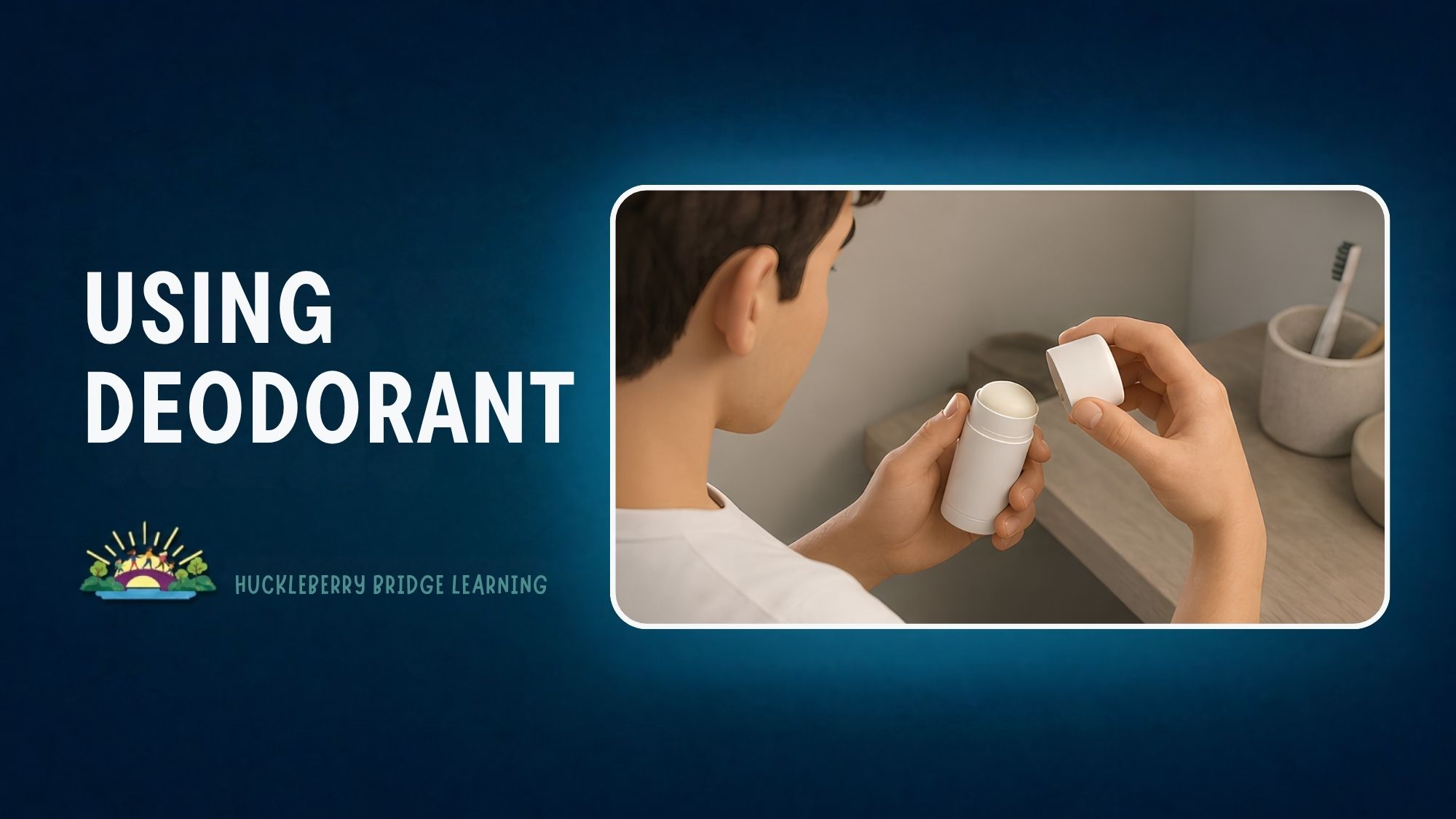
Daily Personal Hygiene is a supportive life skills video that helps children understand important hygiene routines that keep their bodies clean and healthy. This video teaches learners about washing, brushing teeth, caring for hair, using deodorant, and following daily self-care steps.

Learning Objectives

After watching this video, learners will:

  1. Identify daily hygiene tasks and when to do them
  2. Follow steps for brushing teeth, washing, and grooming
  3. Understand why regular hygiene is important for health
  4. Recognize how hygiene routines change with age
  5. Demonstrate independence in personal care tasks
  6. Use appropriate vocabulary for hygiene routines

Resources for This Video

Use these resources to extend learning and build communication skills.

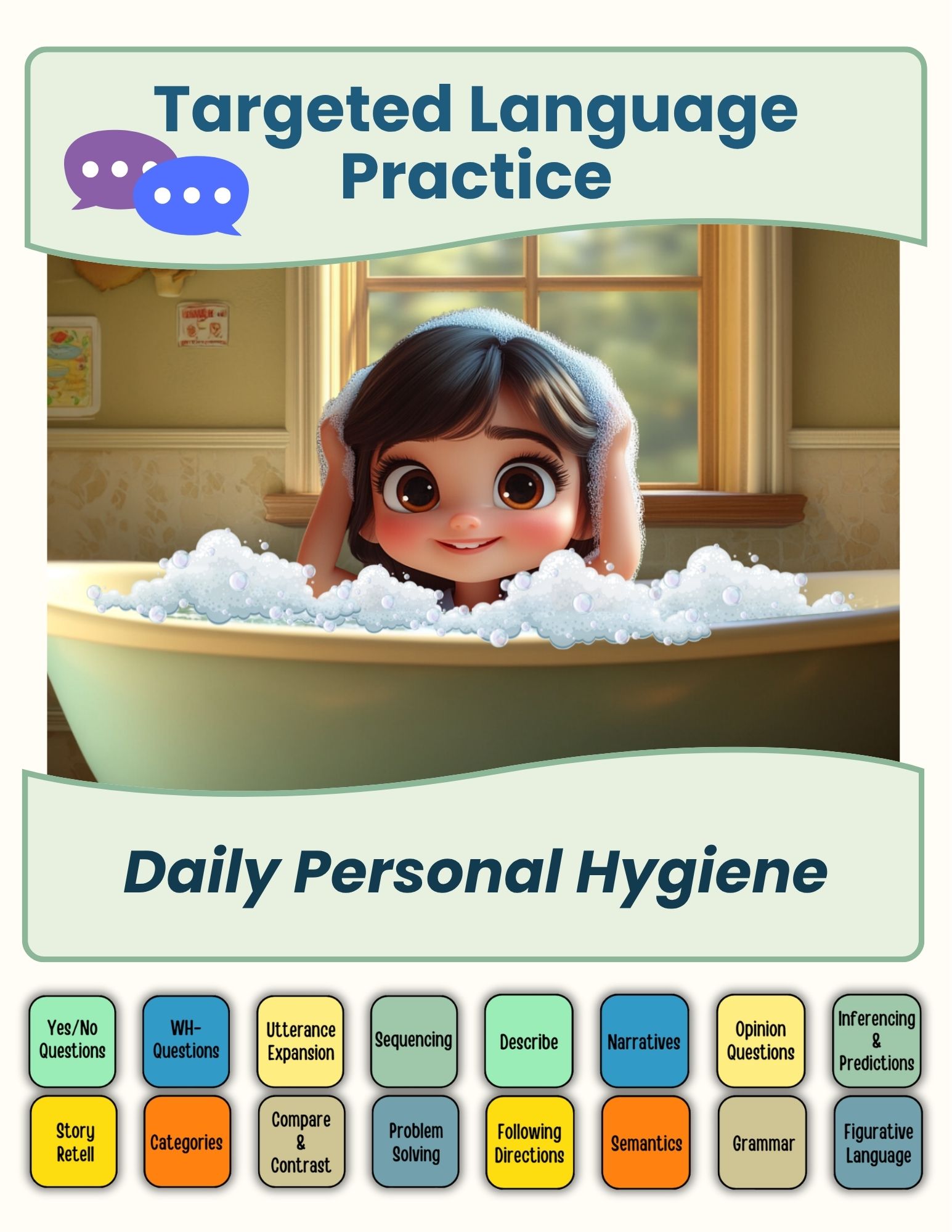
Practice language skills with targeted activities connected to the video.

Practice Language Skills

Clinician & Educator Supports

Kindergarten
CCSS.ELA-LITERACY.SL.K.2 – Ask and answer questions about key hygiene steps
CCSS.ELA-LITERACY.L.K.6 – Use hygiene-related vocabulary during guided activities

Grade 1
CCSS.ELA-LITERACY.SL.1.2 – Ask and answer questions about steps in hygiene routines
CCSS.ELA-LITERACY.SL.1.4 – Describe hygiene steps using clear details
CCSS.ELA-LITERACY.L.1.6 – Use words related to health and hygiene routines

Grade 2
CCSS.ELA-LITERACY.SL.2.1 – Participate in discussions about daily hygiene
CCSS.ELA-LITERACY.SL.2.4 – Retell hygiene routines in order using appropriate vocabulary
CCSS.ELA-LITERACY.L.2.6 – Use vocabulary related to hygiene, health, and self-care

Grade 3
CCSS.ELA-LITERACY.SL.3.4 – Present steps in a hygiene routine clearly and logically
CCSS.ELA-LITERACY.L.3.6 – Use content-specific vocabulary related to hygiene and health

Grades 4–8
CCSS.ELA-LITERACY.SL.4.4–8.4 – Present detailed information on personal hygiene routines
CCSS.ELA-LITERACY.L.4.6–8.6 – Use appropriate grade-level vocabulary for personal care and health topics

  • The student will sequence 4–6 steps in a daily hygiene routine with 80% accuracy by [date].
  • The student will describe the importance of hygiene using 2–3 supporting reasons in structured conversation or writing by [date].
  • The student will identify personal care items (e.g., toothbrush, soap, deodorant) and state their purpose with 80% accuracy by [date].
  • The student will follow a visual or verbal hygiene routine with no more than one prompt in 4 out of 5 opportunities by [date].
  • The student will use hygiene-related vocabulary in structured tasks or conversation with 80% accuracy by [date].
  • The student will demonstrate appropriate sequencing language when retelling hygiene steps in 4 out of 5 sessions by [date].

Keep Learning

Explore more videos that build related skills.